
Last updated November 23, 2026
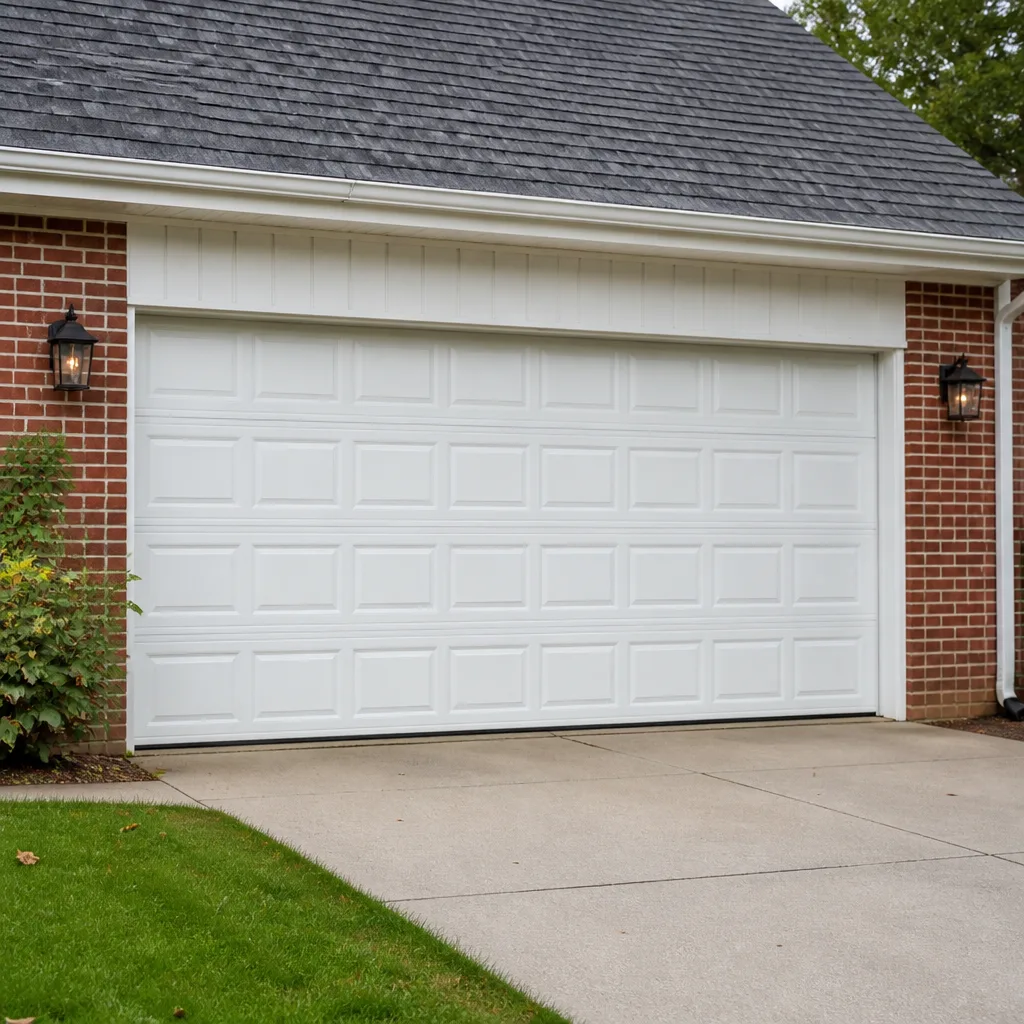 Raised-panel steel
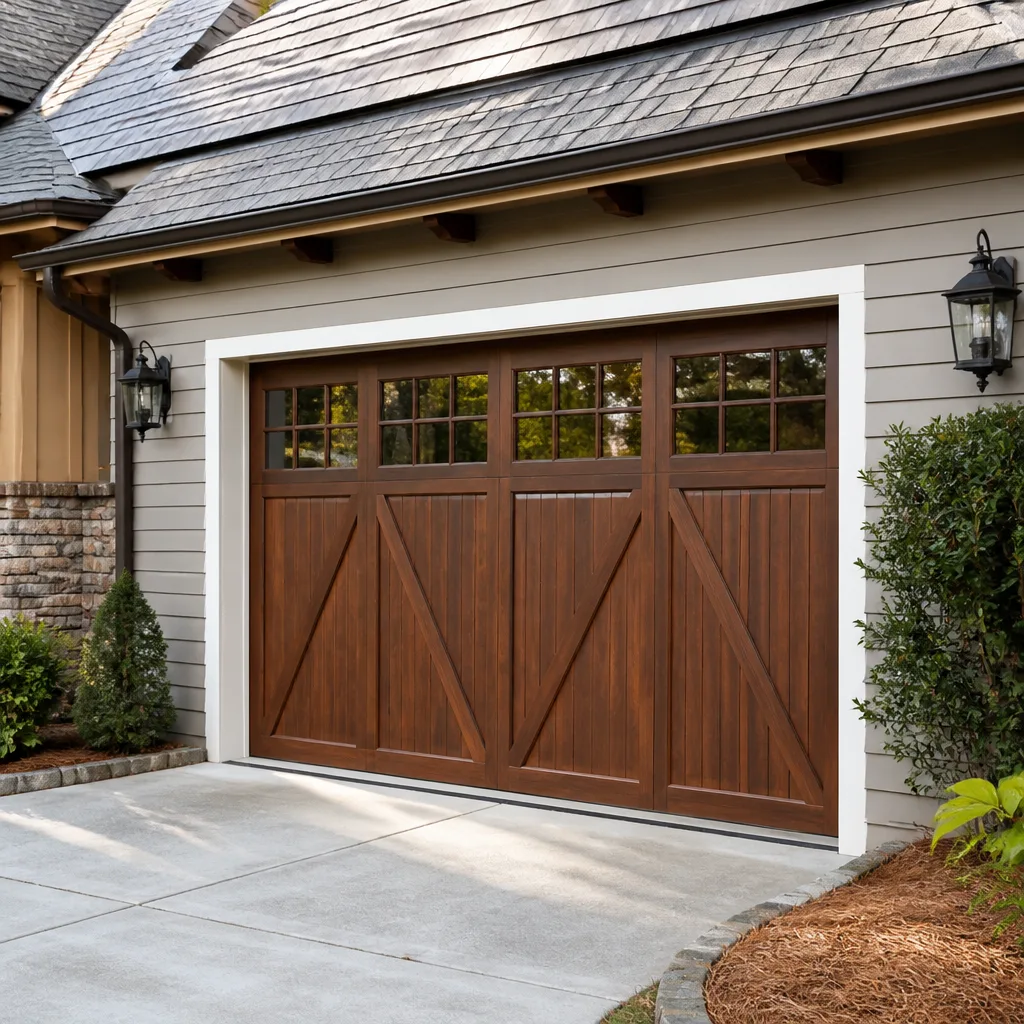 Carriage house
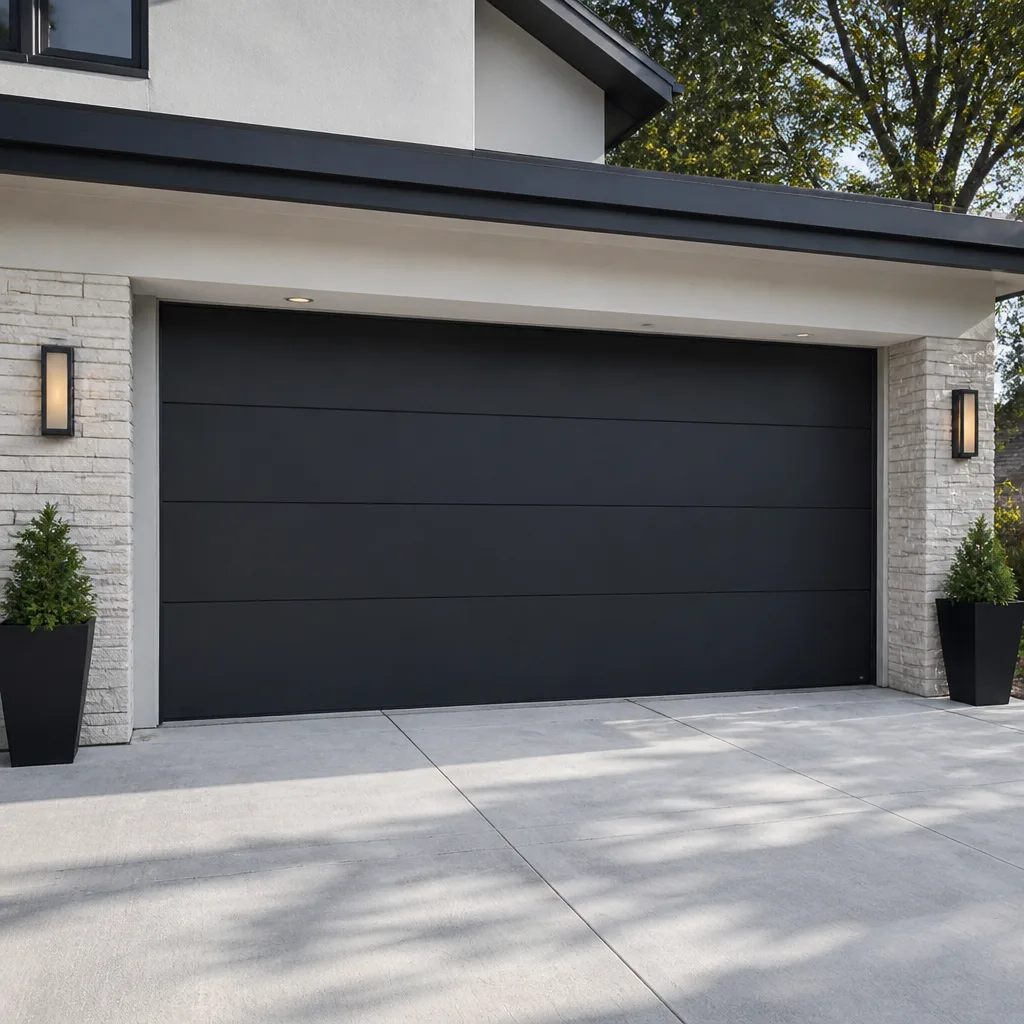 Modern flush
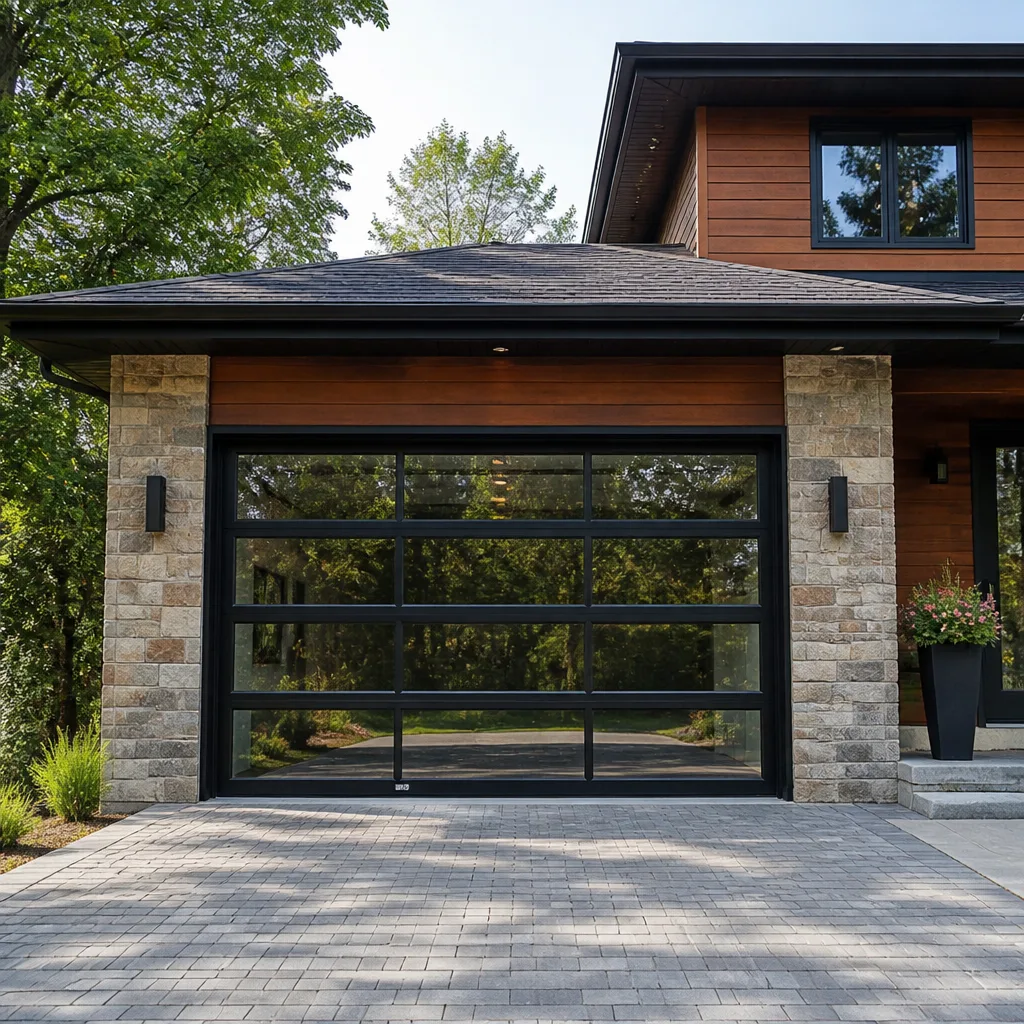 Full-view glass
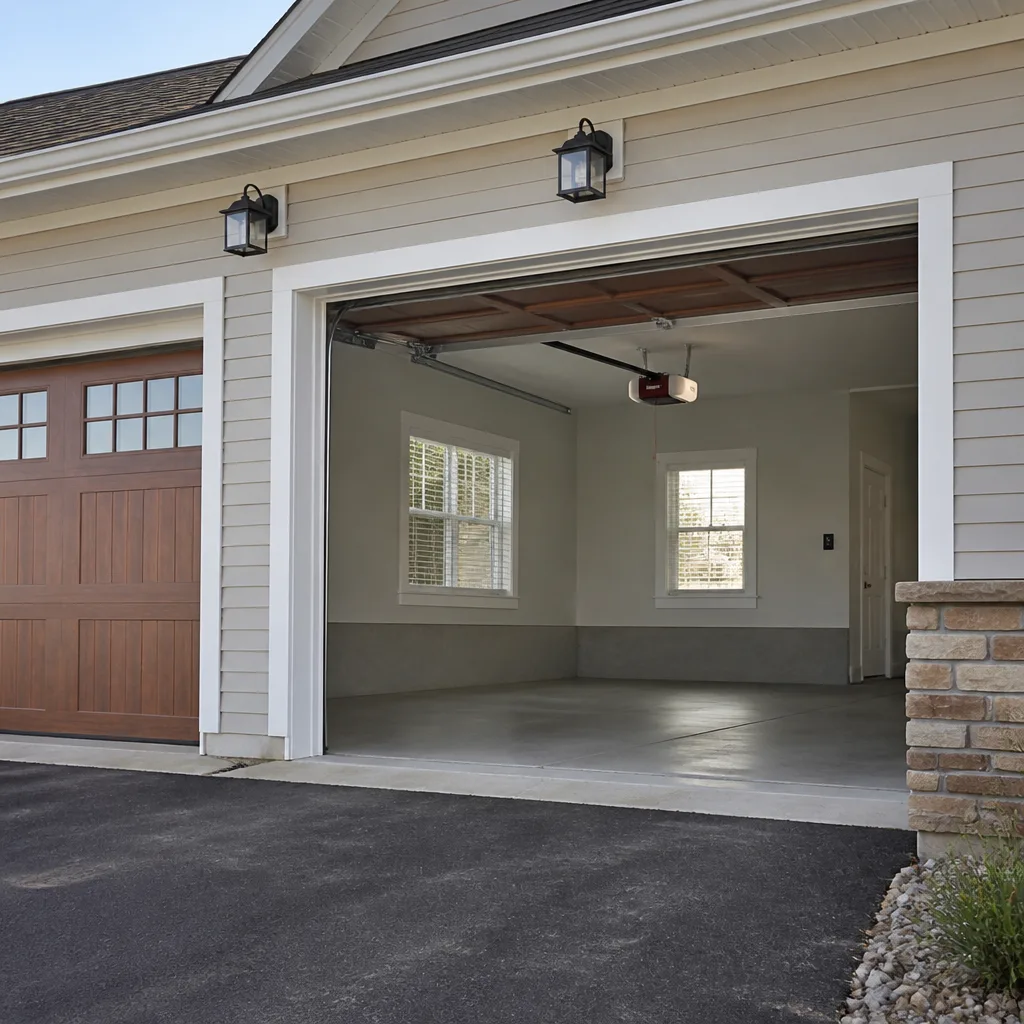 LiftMaster openers
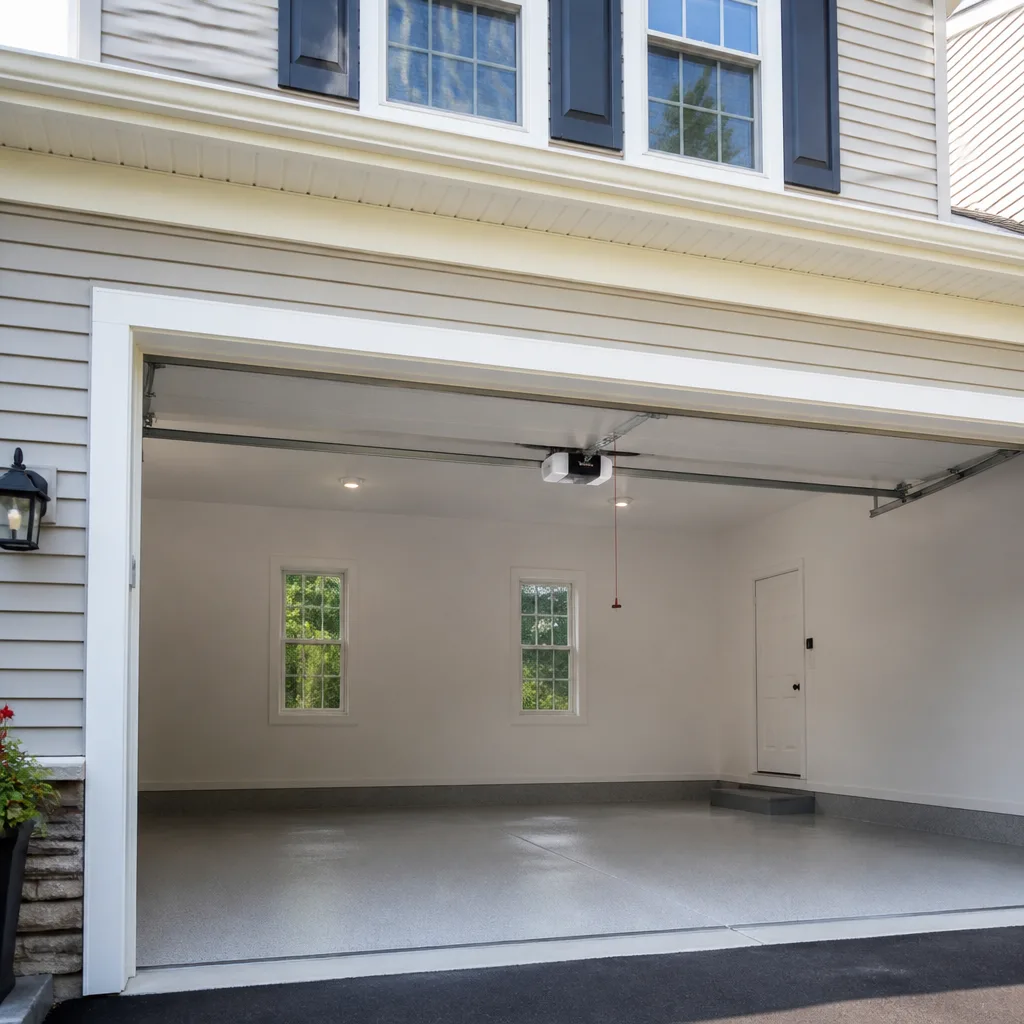 Chamberlain openers
Full 25-point door and opener safety check with every visit - springs, cables, rollers, tracks, and your LiftMaster or Chamberlain opener included
You get a price before we start. It does not change when the pro arrives.
Get your free estimateSeasonal Garage Door Care for Everett: Year-Round Homeowner’s Guide
Most seasonal garage door guides hand you four tidy seasons and call it a year. That calendar doesn’t fit Everett. Here on the Puget Sound lowlands we get a long wet stretch, a short dry one, and two messy transitions in between, and each one breaks garage doors in a different way. The result is that October quietly becomes the most expensive month for repairs, not because doors fail at random, but because a summer of skipped checks meets the first cold rain and three small problems pick the same week to show up. This guide maps the real Everett maintenance rhythm to specific tasks, so you can stay ahead of it instead of paying for it later.
Quick Answer
Garage door care in Everett should follow two wet seasons and two dry transitions, not the standard four-season calendar. The highest-leverage window is early fall, when you complete five tasks before the first sustained rain: sealing the bottom, lubricating moving parts, testing the balance and safety reverse, tightening hardware, and checking springs for fatigue. Winter brings freeze-down and moisture problems, spring brings corrosion from road-salt spray, and summer is when you catch slow spring wear before fall exposes it.
Styles & brands we work with
- Raised-panel steel
- Carriage house
- Modern flush
- Full-view glass
- LiftMaster openers
- Chamberlain openers
Table of Contents
- Why Everett’s Seasons Don’t Match the Standard Maintenance Calendar
- The Fall Window: Five Tasks Before the First Sustained Rain
- Winter Failure Modes: Freeze-Down vs. True Mechanical Failure
- Spring Check: Corrosion and Road-Salt Spray
- Summer Dry-Season Tasks Most Homeowners Skip
- Building Your 12-Month Everett Task Calendar
- What You Can Check Yourself and What You Shouldn’t
- Common Mistakes to Avoid
- When to Call a Professional
- Frequently Asked Questions
Why Everett’s Seasons Don’t Match the Standard Maintenance Calendar
The national garage door advice you find online assumes a hard freeze, a hot summer, and a dry fall. Everett’s climate works differently. We get a long, cool, wet stretch from late fall into spring, a genuinely dry summer, and two shoulder periods that swing between wet and dry from week to week. For a garage door, that means the dominant stress isn’t extreme heat or deep frost. It’s moisture, and the constant wet-dry cycling that comes with living in a place where the air stays damp for months.
Moisture drives most of what goes wrong on an Everett door. It works into hinges, rollers, and the bottom seal. It encourages surface rust on the steel tracks and hardware of the Clopay and Amarr doors common on homes throughout the city. And it swells and softens the wood trim around older garages in neighborhoods like Bayside and Riverside, where homes sit close to the water table and the air holds damp longer.
The practical upshot is that “fall maintenance” in Everett isn’t about winterizing against cold. It’s about sealing and protecting before months of wet weather arrive. “Spring maintenance” isn’t about thawing out. It’s about inspecting what the wet months left behind. Once you reframe the year around moisture rather than temperature, the task list almost writes itself.
- Wet season one (late fall into early winter): first sustained rain, cold nights, and the start of seal and hardware stress.
- Wet season two (late winter into early spring): continued damp, plus road-salt spray on homes near I-5 and the arterials.
- Dry transition (late spring into early summer): doors dry out, wood shrinks, gaps reappear.
- Dry season (summer): the quiet window when slow wear happens invisibly, and the best time to catch it.
The Fall Window: Five Tasks Before the First Sustained Rain
If you do nothing else all year, do these five things before Everett’s first real stretch of rain. This is the highest-leverage maintenance window on the calendar because everything you protect now won’t have to be repaired in the wet months. Do them in this order.
- Seal the bottom. Check the bottom seal for cracks, hardening, or gaps where light shows through. A worn seal lets water and cold air into the garage all winter. Replace it before the rain starts rather than after you notice a wet floor.
- Lubricate moving parts. Apply a garage-door-specific lubricant to hinges, rollers, and the torsion spring coils. This pushes moisture out of the joints and keeps the door moving smoothly through the damp months.
- Test balance and safety reverse. Disconnect the opener and lift the door halfway. It should hold there on its own. Then test the safety reverse by placing an object in the door’s path. Both tests tell you whether the door is safe before winter stress exposes a fault.
- Tighten the hardware. Vibration loosens bolts over the dry summer. Go through the track brackets and hinge bolts and tighten anything loose. Loose hardware becomes a rattling, misaligned door once the wet season adds friction.
- Check springs for fatigue. Look and listen for a stretched or sagging spring, uneven lifting, or a door that feels heavier than it used to. Springs are the highest-tension part of the system, so this is an inspection, not a repair you do yourself.
The reason October gets expensive is simple. Summer’s dry weather hides spring fatigue and loose hardware because nothing creaks or sticks yet. Then the first cold wet stretch adds friction and weight, and the three deferred problems all surface in the same week. Handle the five tasks above and you break that pattern before it starts. If any of the five turns up a problem you’d rather a professional handle, our garage door repair team can take it from there with a written estimate agreed before any work begins.
Winter Failure Modes: Freeze-Down vs. True Mechanical Failure
A garage door that won’t open on a cold Everett morning usually has one of two problems, and telling them apart matters. One is freeze-down: the bottom seal has bonded to the wet concrete overnight, and the door is stuck to the floor. The other is a true mechanical failure: a spring, cable, or opener component has actually given way. Here’s how to tell which you’re facing.
- Freeze-down: the opener runs but the door barely moves or lifts a corner before stalling, and you can see the seal stuck to the floor. Once the seal releases, the door operates normally.
- True mechanical failure: the door won’t move even with the seal freed, the door feels extremely heavy, you hear a snap, or one side lifts while the other drags. This points to a spring or cable, which is a stop-and-call situation.
Freeze-down is common in Everett because our cold nights follow damp days, leaving moisture on the concrete that bonds to a worn or hardened seal. The fix is usually a better seal and keeping the floor dry, not a repair. A true mechanical failure is different: springs and cables carry serious tension and can cause injury if handled, so treat any snapped spring or slack cable as a job for a trained technician. Our garage door spring repair service handles exactly this kind of high-tension work, and technicians are familiar with the hardware already on Genie and Wayne Dalton systems as well as the other brands we service.
One more winter note: keep the tracks clear of debris and check that the door isn’t rubbing ice or grit along the rails. A door that fights its track puts extra load on the opener, and that’s how a small misalignment turns into a motor problem.
Spring Check: Corrosion and Road-Salt Spray
Spring in Everett is inspection season. The wet months leave behind the wear they caused, and the biggest culprit on many homes is road-salt spray. If your garage faces an arterial, sits near I-5, or catches plow and de-icing spray from a nearby street, the lower panels, bottom seal, and hardware take a steady dose of salt-laden water all winter. That accelerates rust on steel doors and corrodes hinges, rollers, and the track.
Walk around the door in spring and look for:
- Rust spots or bubbling paint on the bottom panels and along seams.
- White or crusty residue on hardware, hinges, and the track.
- A bottom seal that’s stiff, cracked, or pulling away from the door.
- Rollers that squeak or drag when the door moves.
- Paint or finish that’s chalking or peeling near the base.
Rinse salt residue off the lower door and hardware with fresh water, dry it, and apply lubricant to moving parts. Touch up any bare metal on steel doors before rust spreads. This is also the right time to re-check the bottom seal, since winter freeze-down can harden or tear it. If your door is a Clopay or Amarr unit, spring is a good moment to confirm the finish is holding up, because catching corrosion early is far cheaper than refinishing or replacing a panel later.
Spring is also a natural time for a full-system look: opener, springs, panels, and tracks together. If corrosion or fatigue shows up in more than one area, a single visit handles it, which is the advantage of a shop that can go from opener to panel to spring without sending you elsewhere for part of the job.
Summer Dry-Season Tasks Most Homeowners Skip
Summer is when Everett garage doors seem fine, and that’s exactly why it’s the most important time to inspect. Nothing creaks or sticks in dry weather, so slow wear goes unnoticed. Spring fatigue is the classic example. A torsion spring loses tension gradually, and in the dry months the door still opens with the opener doing a little more work than it should. You won’t notice until fall adds weight and friction and the door suddenly can’t make it up.
Use the dry season to check what winter will test:
- Test door balance monthly. Disconnect the opener and lift the door halfway. It should stay put. If it sinks or rises on its own, the springs are already telling you something.
- Listen for the opener. A motor that strains, hesitates, or sounds louder than last year is working harder against tired springs or a binding track.
- Inspect springs and cables by eye. Look for a stretched spring, visible gaps in the coil, frayed cables, or rust. Note anything that looks off and get it looked at before fall.
- Check weatherstripping and gaps. Dry heat and dry air can shrink wood and open small gaps around the frame. Sealing them now means less water intrusion when the rain returns.
Catching spring fatigue in July is a planned repair. Catching it in October, when the first cold rain arrives and the door stops working, is an emergency. That difference is the whole point of the summer check. If you’re researching a full replacement instead of a repair, summer is also the sensible time to plan it, because that’s measured, ordered, and scheduled work rather than an emergency call. Our Everett Garage Door Repair Pros team can walk you through installation options for Genie openers and the door brands on your home.
Building Your 12-Month Everett Task Calendar
A maintenance calendar built for a national average won’t match how doors fail here. Build one around Everett’s precipitation pattern instead. This is a working schedule you can adapt to your own door.
- September to October (before the rain): the five fall tasks. Seal the bottom, lubricate, test balance and safety reverse, tighten hardware, inspect springs. This is the big one.
- November to December (first wet season): wipe down hardware after the first heavy rain, watch for freeze-down on cold mornings, and keep tracks clear. Note any new noises.
- January to February (deep wet season): monthly balance test, check the bottom seal for stiffness or gaps, and rinse any salt residue off the lower door if you’re near an arterial or I-5.
- March to April (spring inspection): the corrosion check. Look for rust, crusty hardware, and a tired seal. Rinse, dry, lubricate, and touch up bare metal.
- May to June (dry transition): check for gaps as wood dries and shrinks, re-seal the frame, and confirm the opener is running smoothly.
- July to August (dry season): monthly balance test, listen to the opener, inspect springs and cables by eye, and plan any replacement before fall.
Post the calendar inside the garage where you’ll see it. The tasks themselves take minutes. Keeping the rhythm is what protects the door. If a task turns up something you’re not comfortable with, that’s the point to bring in a technician rather than push the work into the next season.
What You Can Check Yourself and What You Shouldn’t
Plenty of garage door care is safe to do yourself: rinsing salt, lubricating hinges and rollers, tightening visible bolts, testing balance and safety reverse, and checking the bottom seal. Those are inspection and light-maintenance tasks, and doing them regularly is the whole point of this guide.
Other work is genuinely dangerous, and springs are the clearest example. The torsion springs that balance a garage door sit under heavy tension. A spring under load can release suddenly and cause serious injury, and the same is true of the cables and the brackets that hold them. If you find a snapped spring, a slack or frayed cable, or a door that won’t balance, don’t try to adjust it yourself. Shut the door if you can do so safely, keep people clear, and call a trained technician. The same caution applies to the opener’s electrical connections and to a door that’s come off its track. A good rule: if a task involves tension, electricity, or a door that’s fallen out of its track, it’s a professional job.
Common Mistakes to Avoid
- Following a national four-season calendar. Everett’s wet and dry pattern is what drives door failure here, so time your tasks to our weather, not a generic guide.
- Skipping the summer check because nothing seems wrong. Dry weather hides spring fatigue and loose hardware. That quiet stretch is the best time to catch problems, not a reason to skip them.
- Ignoring road-salt spray on homes near I-5 and arterials. Salt-laden water from de-icing accelerates rust and corrodes hardware all winter. Rinse the lower door and hardware in spring rather than waiting for the rust to spread.
- Confusing freeze-down with a mechanical failure. A seal stuck to wet concrete at 6 a.m. is fixable. A snapped spring is not something to force. Learn to tell them apart before you try to open a stuck door.
- Lubricating with the wrong product. Household oils and greases attract dirt and gum up the tracks. Use a garage-door-specific lubricant on the moving parts and keep the tracks clean.
- Adjusting springs yourself. This is the most dangerous mistake on the list. Springs carry serious tension, and the injury risk is real. Leave spring work to a trained technician.
- Waiting until fall to handle a problem you spotted in summer. A tired spring caught in July is a planned repair. The same spring in October, in the middle of the first rain, is an emergency call.
When to Call a Professional
Some jobs call for a trained technician rather than a do-it-yourself check. Call us if you find a snapped or sagging spring, a slack or frayed cable, or a door that won’t balance and feels heavy. Call if the door has come off its track or won’t open even after you’ve freed the bottom seal. Call if the opener strains, hesitates, or stops responding, or if you notice rust spreading on the lower panels and hardware. For any of these, our garage door opener repair and spring services handle the diagnosis and the fix, and we work on the brands already on your home, including Amarr and Wayne Dalton. If your door fails and can’t wait for a scheduled visit, our emergency garage door service is available for exactly that. Everett Garage Door Repair Pros offers free estimates in Everett, and the price is quoted and agreed before any work starts, so you know the number before we pick up a tool. Call (866) 593-5155. We answer 24/7. Fast dispatch from 7am to 7pm, Sunday through Friday.
Frequently Asked Questions
The most important window is early fall, before the first sustained rain, when you seal the bottom, lubricate, test balance and safety reverse, tighten hardware, and check springs. Spring is the second key window for a corrosion inspection, and summer is when you catch slow spring wear. Everett’s wet-then-dry pattern should drive your schedule more than any four-season calendar. Call (866) 593-5155 for an exact quote if any check turns up a problem; estimates are free.
If the opener runs but the door barely lifts and you can see the bottom seal stuck to the floor, it’s freeze-down, and freeing the seal usually solves it. If the door won’t move even with the seal freed, feels extremely heavy, or you hear a snap or see one side drag, that’s a true mechanical failure, most often a spring or cable. Treat a snapped spring or slack cable as a professional job. Call (866) 593-5155 for an exact quote; estimates are free.
On homes near I-5 and the arterials that see heavy de-icing, salt-laden water sprays onto the lower door, hardware, and track all winter. That accelerates rust on steel doors and corrodes hinges, rollers, and the track. Rinsing the lower door and hardware with fresh water in spring and touching up bare metal slows it down. If corrosion has spread, call (866) 593-5155 for an exact quote; estimates are free.
Because dry weather hides spring fatigue. A torsion spring loses tension gradually, and in summer the door may still open while the opener works harder than it should. Testing balance monthly and listening for a straining opener catches it early. A tired spring found in summer is a planned repair; found in fall, it can strand the door. Call (866) 593-5155 for an exact quote; estimates are free.
No. Garage door springs sit under heavy tension, and a spring that releases suddenly can cause serious injury, as can the cables and brackets that hold them. If you find a snapped spring, a slack cable, or a door that won’t balance, keep people clear and call a trained technician. Our garage door spring repair service exists for exactly this work. Call (866) 593-5155 for an exact quote; estimates are free.
No. The written estimate sets the price, and it’s quoted and agreed before any work starts, so the bill matches the estimate. We diagnose the door, explain what’s wrong, and confirm the number with you first. That applies to seasonal repairs and to planned installation alike. Call (866) 593-5155. We answer 24/7. Fast dispatch from 7am to 7pm, Sunday through Friday.
The Bottom Line
Everett garage door care comes down to timing it against our two wet seasons and two dry transitions rather than a generic four-season plan. Get the five fall tasks done before the first sustained rain, inspect for corrosion and road-salt spray in spring, and use the quiet summer months to catch spring fatigue before fall exposes it. Learn to tell freeze-down from a true mechanical failure, and know which jobs are yours and which are a technician’s. Build the 12-month calendar around our precipitation pattern, and the October pileup of deferred problems never happens. For anything that turns up during your checks, we’re here for it from opener to panel to spring.
If a seasonal check turns up something you’d rather have a professional look at, call Everett Garage Door Repair Pros at (866) 593-5155 for a free estimate. We answer 24/7, with fast dispatch from 7am to 7pm, Sunday through Friday, and the price is quoted and agreed before any work starts.
Written by the team at Everett Garage Door Repair Pros.
See the difference
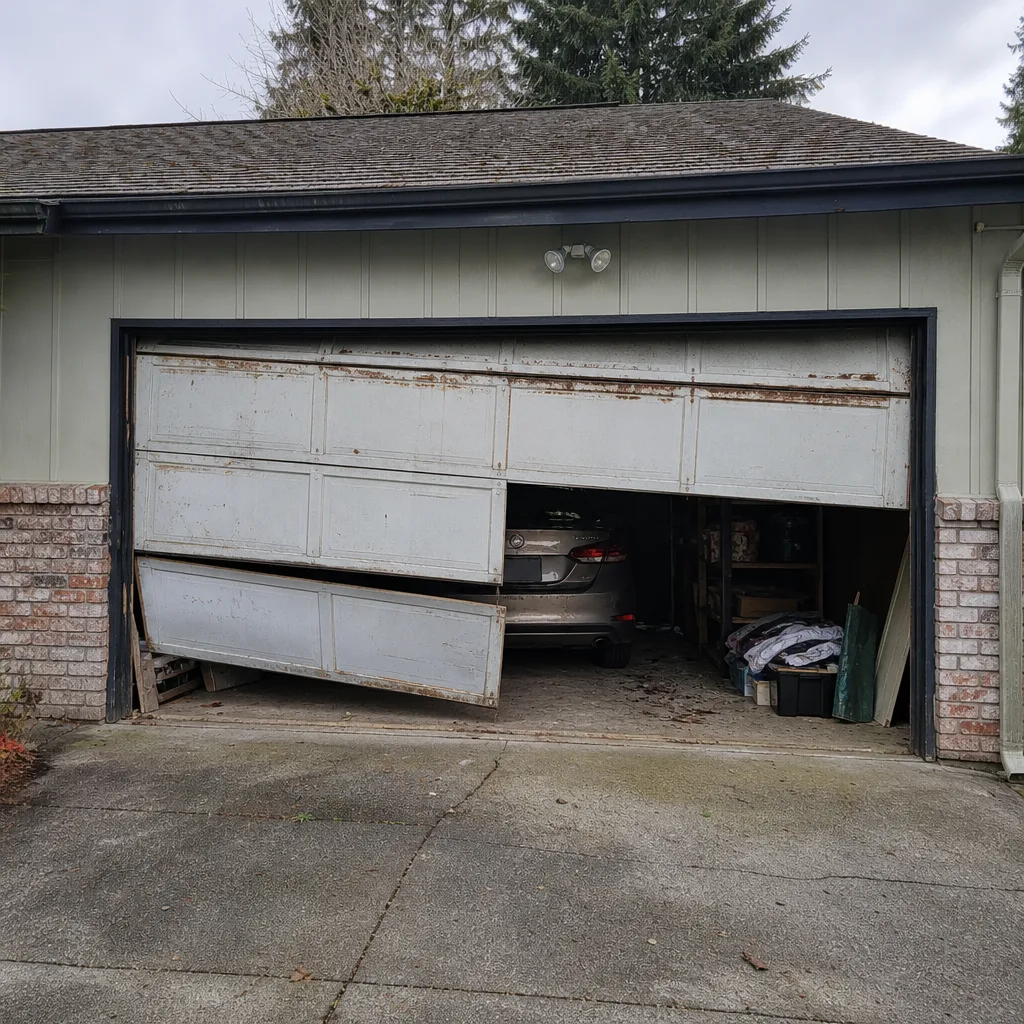 Before
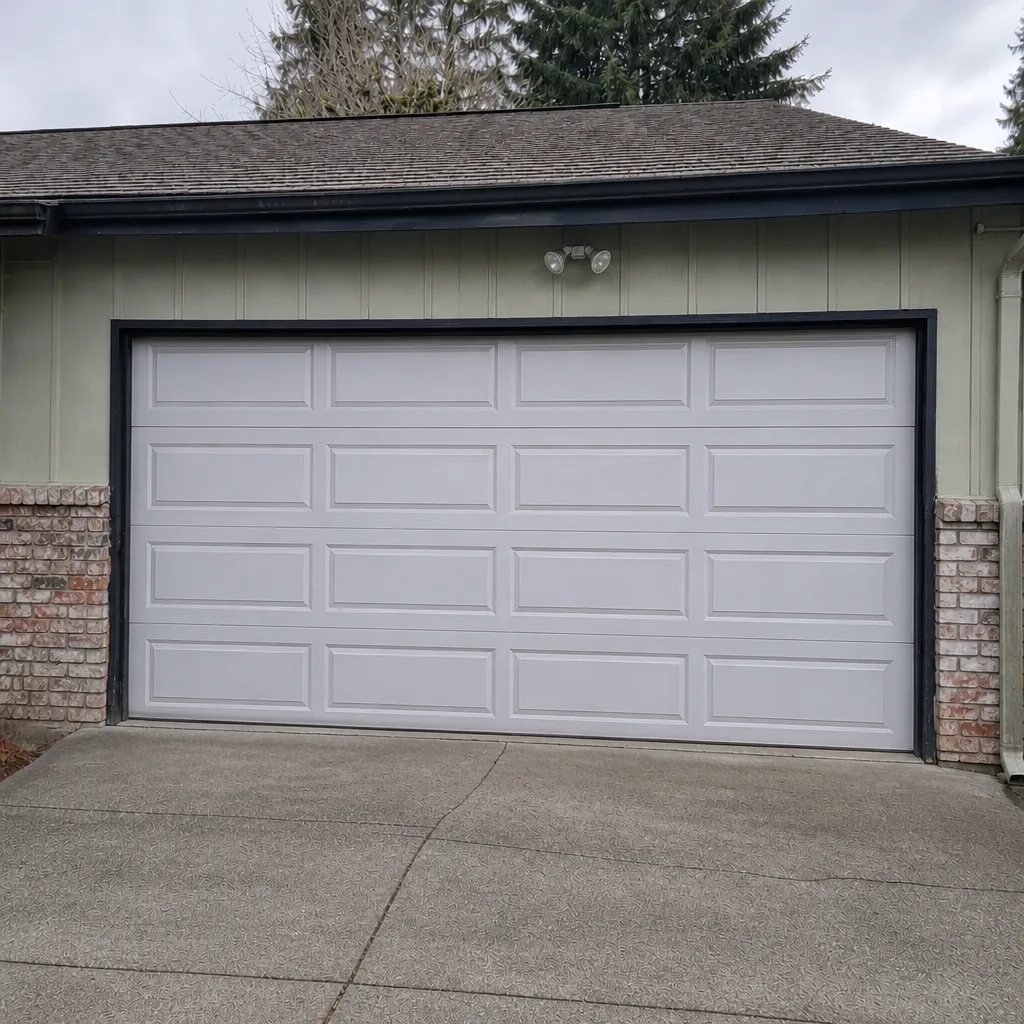 After
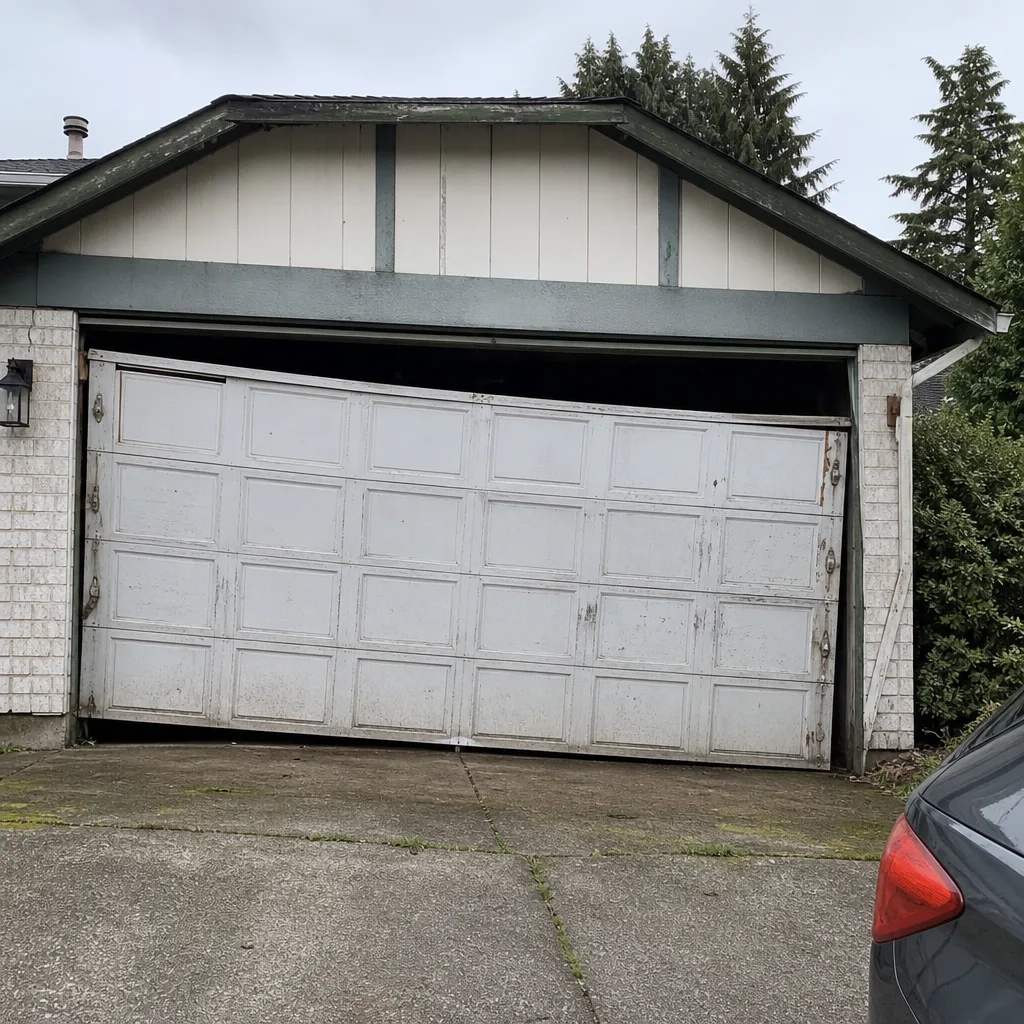 Before
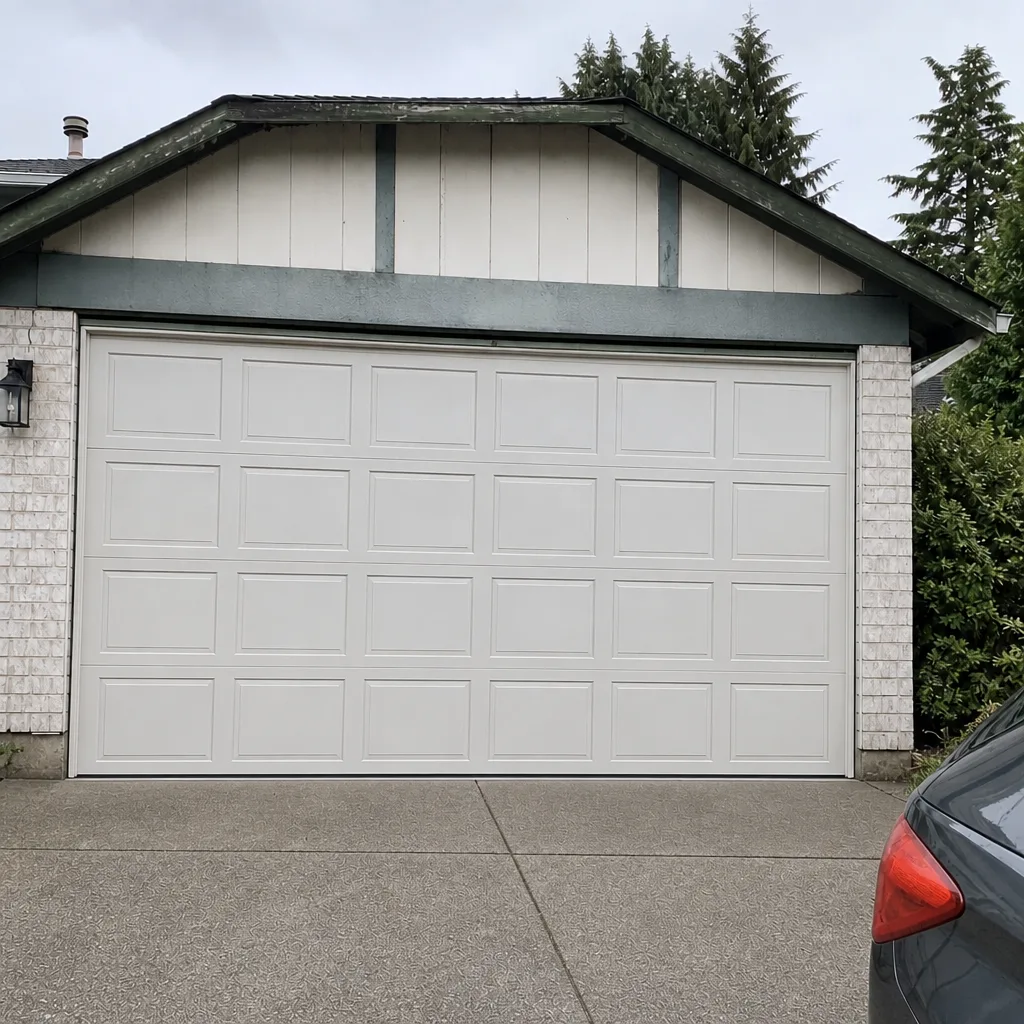 After
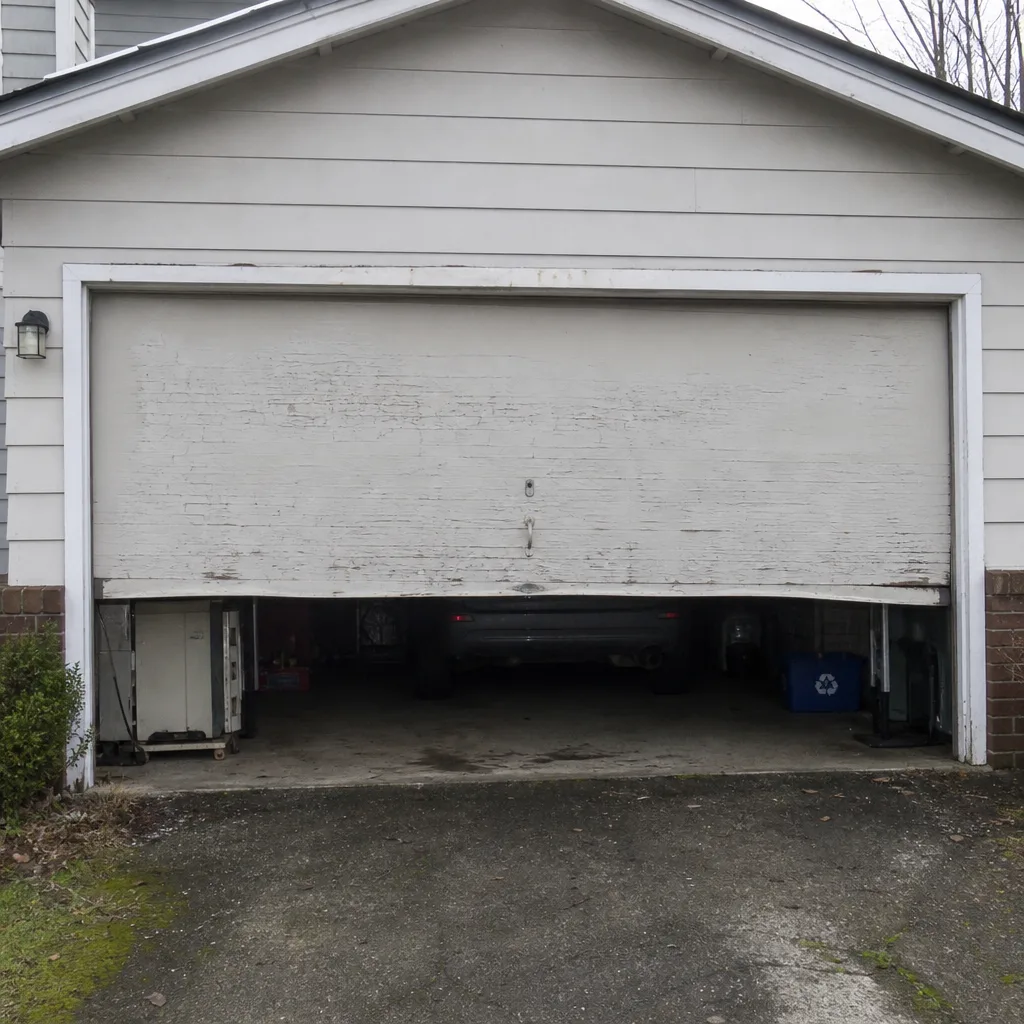 Before
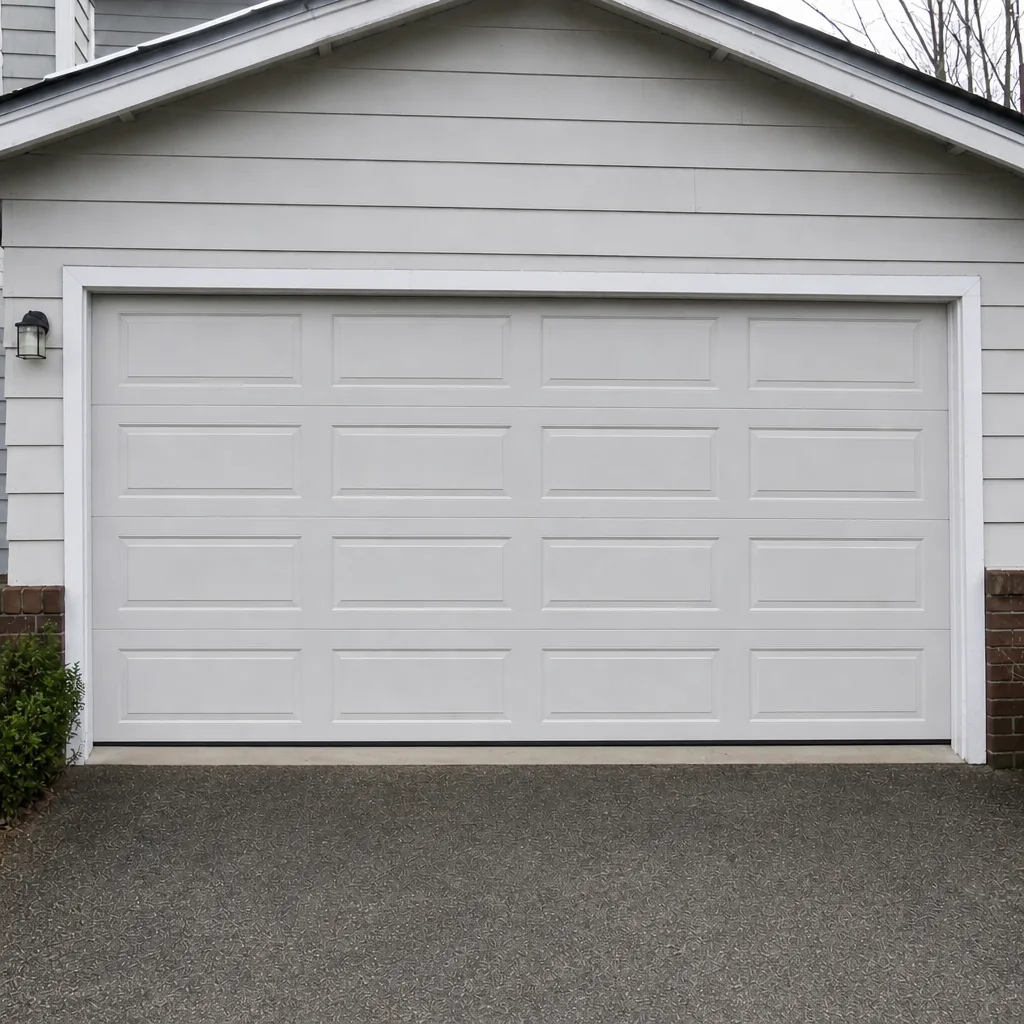 After