
Last updated November 23, 2026
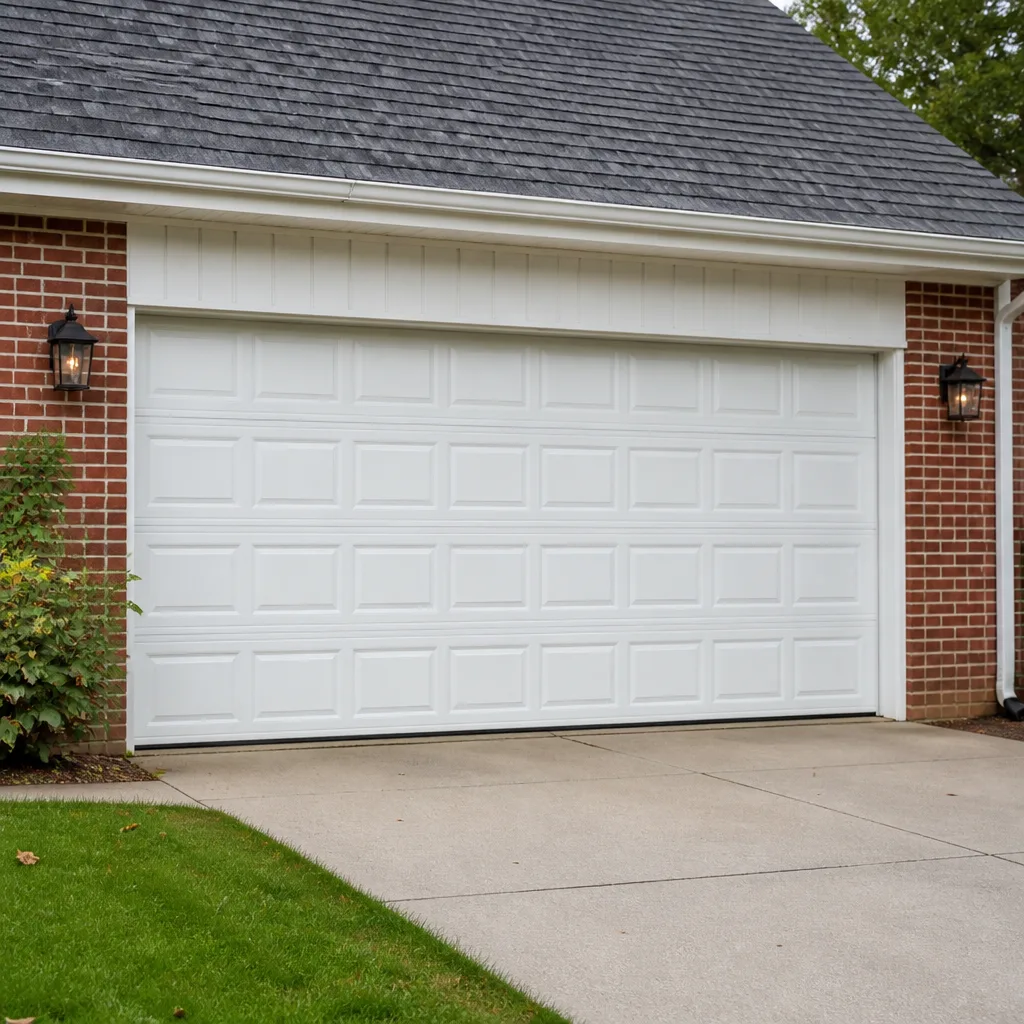 Raised-panel steel
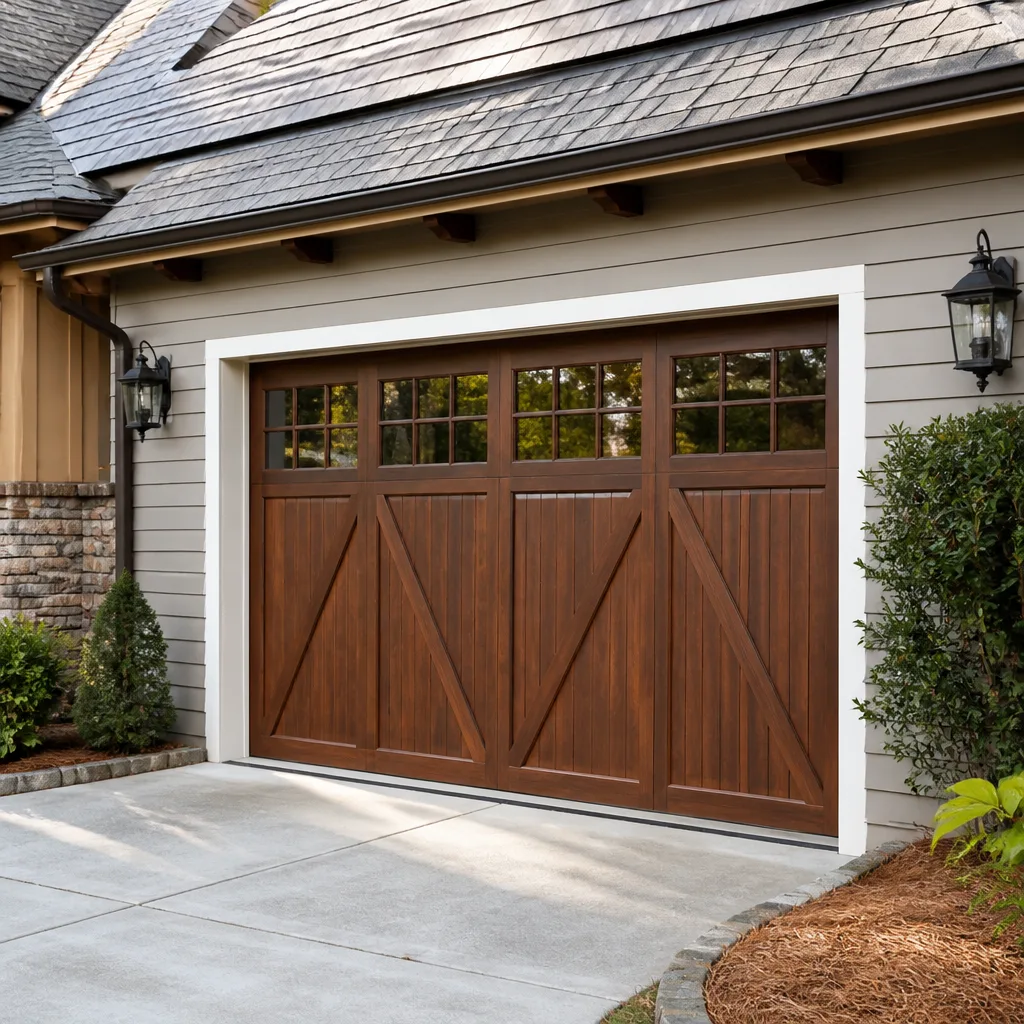 Carriage house
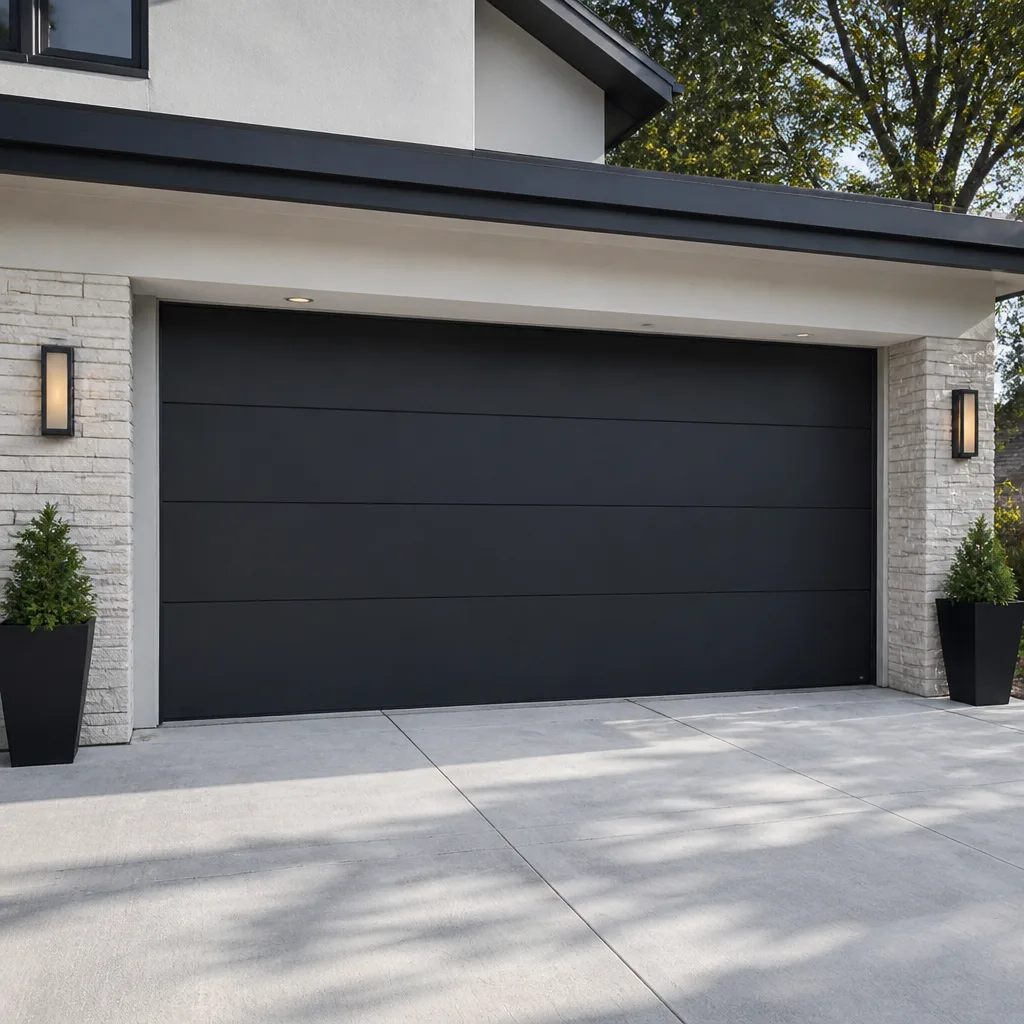 Modern flush
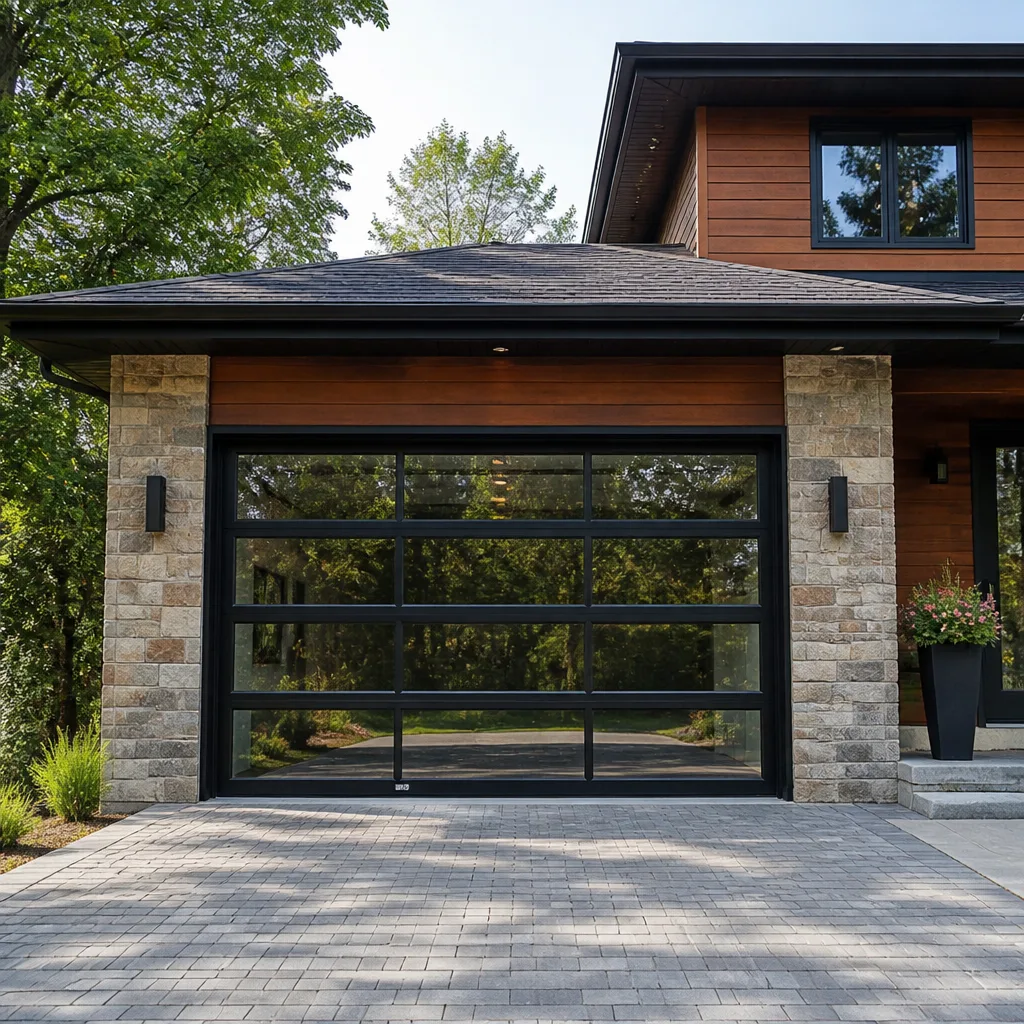 Full-view glass
 LiftMaster openers
 Chamberlain openers
Full 25-point door and opener safety check with every visit - springs, cables, rollers, tracks, and your LiftMaster or Chamberlain opener included
You get a price before we start. It does not change when the pro arrives.
Get your free estimateGarage Door Warning Signs: An Everett Homeowner’s Reference Guide
A garage door that hesitates for half a second before it moves is not “just getting old.” It’s performing a mechanical diagnostic in plain sight, and that half-second tells a technician more about the health of the door than any other single symptom. Most warning-sign guides hand you a list of obvious clues and send you on your way. This one goes after the quiet ones: the wobble you’ve decided is normal, the noise you’ve written off as the house settling, the opener that reversed twice this week and then didn’t. Everett homeowners tend to live with these signals for months. This guide covers which ones are watch-and-wait and which mean stop using the door today.
Quick Answer
A garage door is announcing a failure when it hesitates before moving, reverses without an obstruction, makes a snap or pop, or shows a growing gap between the door and its torsion spring. Signs you should watch for a week: minor squeaks, one slow cycle, a slightly worn weather seal. Signs that mean stop using the door until a professional inspects it: a snapped spring, a frayed or slack cable, a door that drops fast on one side, or anything that reverses on its own more than once.
Styles & brands we work with
- Raised-panel steel
- Carriage house
- Modern flush
- Full-view glass
- LiftMaster openers
- Chamberlain openers
Table of Contents
- The Quiet Signals Most Everett Homeowners Dismiss
- Four Sounds That Mean Specific Hardware Failure
- Reading Torsion Spring Wear From the Floor
- Why an Opener That Reverses Is Not a Glitch
- The Gap, Sag, and Daylight Checks
- Watch-and-Wait vs. Stop-Using-It-Now
- What Everett Weather Does to Garage Door Hardware
- Common Mistakes to Avoid
The Quiet Signals Most Everett Homeowners Dismiss
The signals that matter most are rarely the dramatic ones. By the time a door is banging or refusing to open, the mechanical damage is already done. The signals that precede real failure are softer, and they get dismissed for the simplest reason: the door still works. It goes up. It goes down. It closes. That’s the trap.
In our experience across Everett, the same handful of quiet signals show up again and again:
- The half-second hesitation. The door pauses before it moves up. This usually points to a spring that’s lost tension or an opener working harder than it should. It’s one of the earliest measurable signs that the spring is weakening.
- A slightly crooked first move. One side lifts before the other by a fraction. Watch the top panel edge against the trim and you’ll see it.
- The door that rattles a little more than last year. Often the rollers, sometimes loose hinges. It’s a normal-comparison check rather than an absolute one.
- An opener that hums before the door moves. The motor is doing its job; the door isn’t following right away.
- The manual pull getting heavier. Disconnect the opener and try lifting the door by hand, from the bottom, standing to the side. It should lift smoothly and stay put about halfway. If it feels stiff or drops, the springs are suspect.
The reason these matter is timing. A door that hesitates has probably been hesitating for weeks or months. The spring or cable that follows usually fails suddenly, but the wear that caused it was visible. For the deeper mechanics behind each signal, our full guide to garage door repair in Everett walks through what a technician checks on-site.
Four Sounds That Mean Specific Hardware Failure
Not every noise is a warning. The normal operating sounds of a garage door are the steady whir of the opener, the light rumble of rollers on track, and the closing thud when the door meets the floor. What you’re listening for is anything that stands apart from those three baseline sounds.
Here are four specific noises and what they usually indicate:
- A loud snap or pop, often followed by the door not moving. This is almost always a torsion spring that has broken. Stop using the door and keep the car outside until it’s repaired. We treat this as a dedicated job, not a side task, in our garage door spring repair service.
- A grinding or scraping noise as the door moves. Failing rollers or dry bearings. Frequently one roller is the culprit and the rest are close behind.
- A popping or cracking as the door lifts. Loose or bent hinges, or a cable rubbing where it shouldn’t. Listen for whether the pop happens at the same point of travel every time.
- An uneven clunk on one side. A cable with a kink, a worn drum, or a sagging track. If the clunk is on one side only, the door is riding unevenly and the load is not balanced.
Two of those four, the snap and the uneven clunk, call for immediate professional attention. The other two can usually wait a scheduled appointment, provided you’re not forcing the door. The important distinction is between a sound that’s new and a sound that’s simply louder than before. Any new sound deserves a look. Any sound that arrives suddenly and changes the way the door moves deserves a call.
Reading Torsion Spring Wear From the Floor
You can assess a good deal of spring wear without touching a single piece of hardware, and you should. Torsion springs, mounted horizontally above the door, carry enormous tension. They are the single most dangerous part of any garage door system, and the one most often handled by untrained hands. Wait for the door to be down, leave the door in place, and observe from the floor.
What to look for:
- A visible gap in the coil. A torsion spring is a continuous spiral of steel. A gap, split, or stretched section means the spring has broken or is on the verge. This is a stop-using-it signal.
- Rust bloom or dark staining on the coils. Not cosmetic in Everett. A rusted spring can lose tension sooner, and rust on the coils is one of the earlier signs of wear.
- A sagging spring compared to its neighbor. Many setups have two springs side by side. If one sits lower or looks compressed, it’s working differently than the other and may be on the way out.
- Fresh grease marks or metal shavings under the spring. Never a normal sight. Note the location and leave the hardware alone.
One more important note on springs: if your door is fitted with two springs as a matched pair, they’re usually replaced as a pair. A single spring costs one thing; replacing them as a pair costs roughly double. If one spring has failed and the other is similar in age, that conversation with a technician is worth having.
Safety note: do not try to adjust, tighten, or remove torsion springs or the cables wound around their drums. The tension involved can cause severe injury. A trained professional uses proper winding bars and a controlled procedure. This is one of those places where the safer choice is always to call.
Why an Opener That Reverses Is Not a Glitch
Every garage door opener has a force limit and an obstruction sensor. The force limit is the motor’s built-in limit on how hard it will push or pull before it stops and reverses. On a healthy door that reversing behavior never triggers. When it does trigger, the opener is telling you something is putting more resistance on the door than it should.
An opener that reverses unexpectedly once a week is not a wiring problem and it’s not a smart-home app bug. It’s a signal that:
- The door is binding somewhere along the track.
- The springs are no longer carrying the door’s weight.
- The obstruction sensor is misaligned or dirty.
- One of the rollers or hinges has worn enough to add drag.
For LiftMaster, Chamberlain, and Genie openers especially, the diagnostic readout on the back of the motor often tells a technician exactly which force limit triggered. That’s one reason we work directly on those systems, plus Raynor, Craftsman, Wayne Dalton, Amarr, and Clopay. Knowing the platform means a technician can usually read the door’s story in a minute on arrival rather than guessing.
Twice in one week means it’s no longer worth waiting. If your opener reverses with a clear travel path and nothing visibly in the way, call for an appointment. Our garage door opener repair team handles standard and smart openers alike. A related note: an opener reversing is often not the opener’s fault at all. The force-limit sensors are doing their job; the door is the one failing them.
The Gap, Sag, and Daylight Checks
Seal failure is the quietest of the warning signs. It doesn’t make a sound, it doesn’t stop the door, and it often announces itself only through higher energy costs or a dead mouse in the corner. Here’s the sequence to catch it earlier.
- The daylight check. Close the door on a sunny day. From inside the garage, stand still and look around the entire perimeter. Any line of daylight under the door or along the sides means the weather seal has shrunk, flattened, or pulled away.
- The paper test. Close the door on a piece of paper placed at several points along the bottom edge. If the paper slides out easily, the seal isn’t making contact at that spot. Repeat every three feet.
- The sag check. Look at the door from a few paces back, straight on. The top and bottom edges should be level across their full width. A dip in the middle or a sag on one side is a sign of a heavier mechanical issue, not just a seal.
- The side gap check. The vertical trim on either side should sit snug against the door edge. A widening gap along one side is an alignment problem that also lets weather through.
In Everett, that matters more than it might in drier parts of the state. A failing bottom seal lets rainwater, dirt, and small pests under an otherwise intact door. It also lets conditioned air escape. Fixing a worn seal is usually a straightforward job, but only once a technician has confirmed the door is square, or a new seal will just fail again.
Watch-and-Wait vs. Stop-Using-It-Now
Here’s the decision framework a technician uses. If a signal sits on the left side of this list, it can usually wait a scheduled appointment. If it sits on the right, stop using the door until it’s been inspected and repaired.
Watch-and-wait (schedule an appointment):
- A new squeak or rattle that doesn’t change the way the door moves.
- A single slow cycle in the middle of a cold snap.
- A worn weather seal with no daylight visible through the door panel.
- An opener that hesitates but doesn’t reverse.
- A manual-pull test that feels a bit stiff but the door still stays up midway.
- Minor cosmetic rust on the panel or track.
Stop-using-the-door (call now):
- You heard a snap or pop and the door stopped moving.
- You can see a gap or break in a torsion spring.
- A cable is visibly frayed, kinked, or hanging loose.
- The door drops fast on one side or hangs unevenly.
- The door reverses on its own more than once a week with a clear path.
- The door won’t stay up on a manual lift; it falls back down.
The right column is the reason we treat spring work as its own specialty. A spring is not a part you replace in passing; it’s job one. If you’re not sure which column applies, that’s fine. The safest move is to stop using the door and have a technician take a look.
What Everett Weather Does to Garage Door Hardware
Everett’s climate keeps garage doors working harder than the Pacific Northwest stereotype suggests. The long damp stretches of fall and spring put moisture against the bottom seal, the hinges, the rollers, and the torsion bar. Rust forms faster on hardware that never fully dries between wet weeks. That’s why we recommend checking for rust bloom on the springs and hinges in fall, before the wet season arrives, rather than waiting for a symptom.
The cold-snap extremes matter too. Doors that have run smoothly all summer can stiffen in a hard cold week, and a stiff door loads the springs differently. A single slow cycle in cold weather isn’t automatically a problem, but a door that hesitates every time the temperature drops is telling you its springs are close to their limit. Neighborhoods around Silver Lake, Casino Corner, and the port side of town all have roughly the same climate profile, so the same seasonal checks apply citywide.
Rainwater intrusion through a failing bottom seal is a second local issue. A worn seal lets water pool under the door apron and work into the concrete or wood frame. Over a few wet seasons that becomes a durable problem. Fixing the seal is quick; repairing a rotted frame is not.
If your door shows any of the signals on this page, start with our Everett Garage Door Repair Pros team for a free estimate. We work on LiftMaster, Chamberlain, Genie, Clopay, Amarr, Wayne Dalton, Craftsman, and Raynor hardware, so a technician arrives already familiar with the equipment on your door.
Common Mistakes to Avoid
- Assuming the hesitation is normal because the door still works. It’s one of the earliest measurable signs of spring wear, and it rarely corrects itself. Waiting simply moves the failure point to a less convenient day.
- Adjusting the opener force limit to compensate for a binding door. This defeats the safety feature that protects anyone standing near the door. The correct fix is to resolve the binding, not the limit.
- Trying to inspect or adjust a torsion spring by hand. The tension is dangerous enough that this is one of the few jobs every garage door manufacturer tells homeowners not to touch. Look from the floor; leave the hardware to a trained technician.
- Replacing a single spring when the pair is similar in age. Matched pairs fail together. A single replacement often means going back for the other side within months.
- Treating a new rattle as cosmetic. On a door that’s been quiet for a year, any change in noise is a diagnostic. Get it looked at before the roller fails outright.
- Skipping the fall hardware check in Everett. A quick look for rust bloom on the springs, hinges, and rollers before the wet season saves many spring repairs entirely. It’s a five-minute inspection with a flashlight from the floor.
- Patching a bottom seal without checking the door alignment. A new seal on a sagging door will fail again in the same weather. Diagnose the door first, then replace the seal.
See the difference
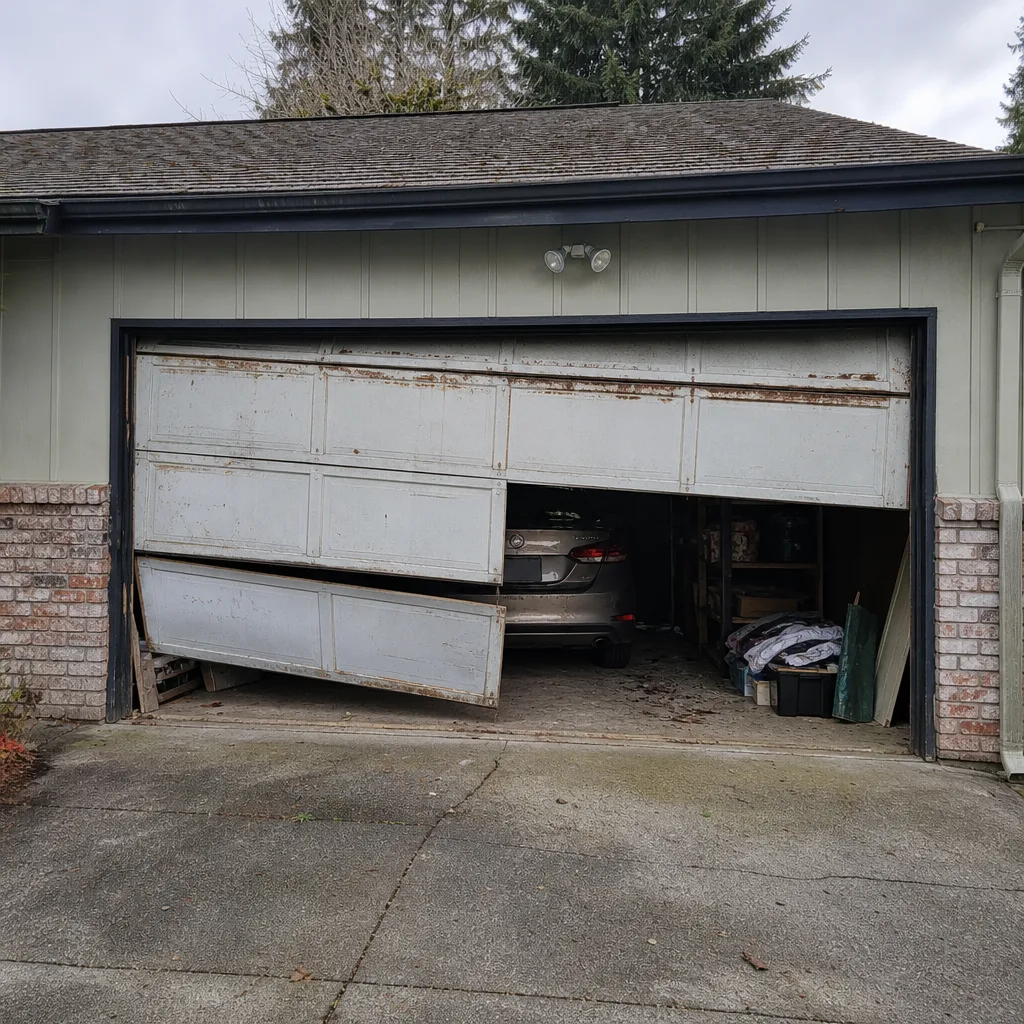 Before
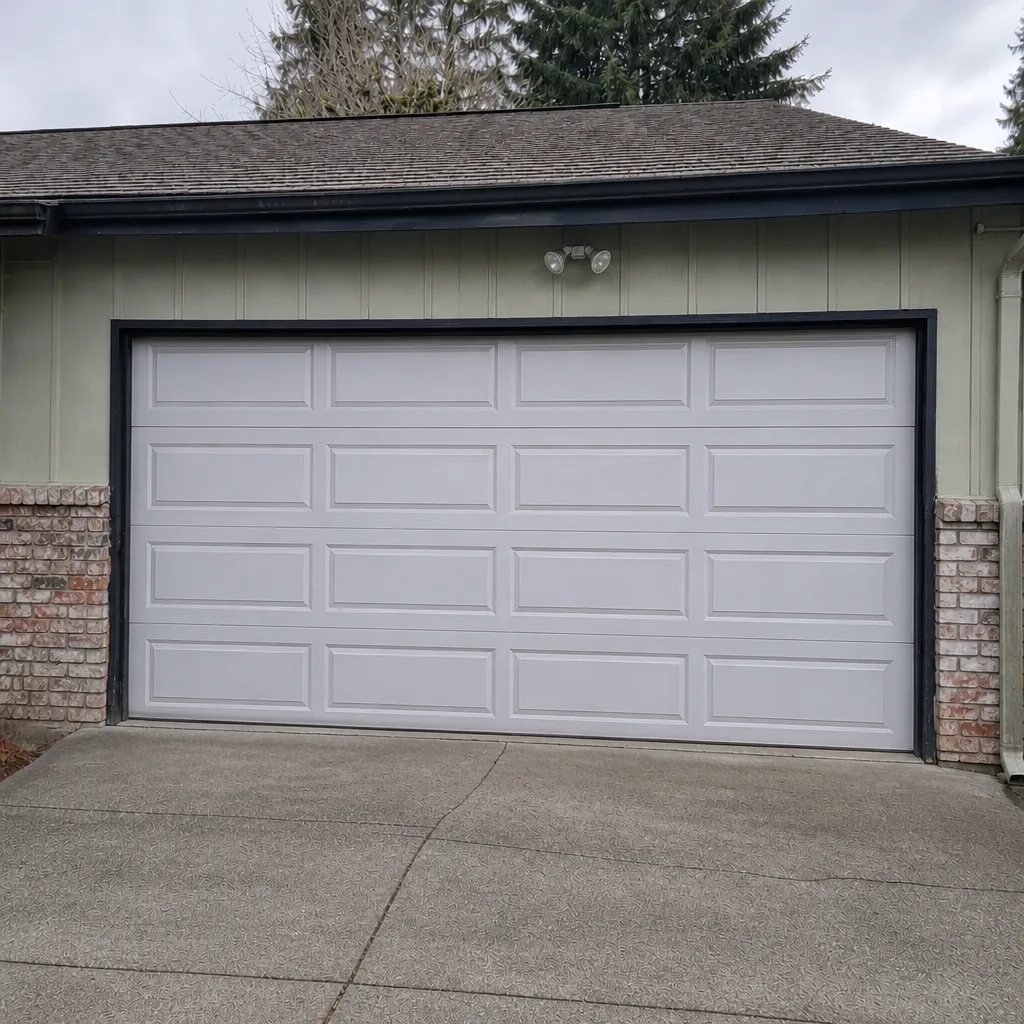 After
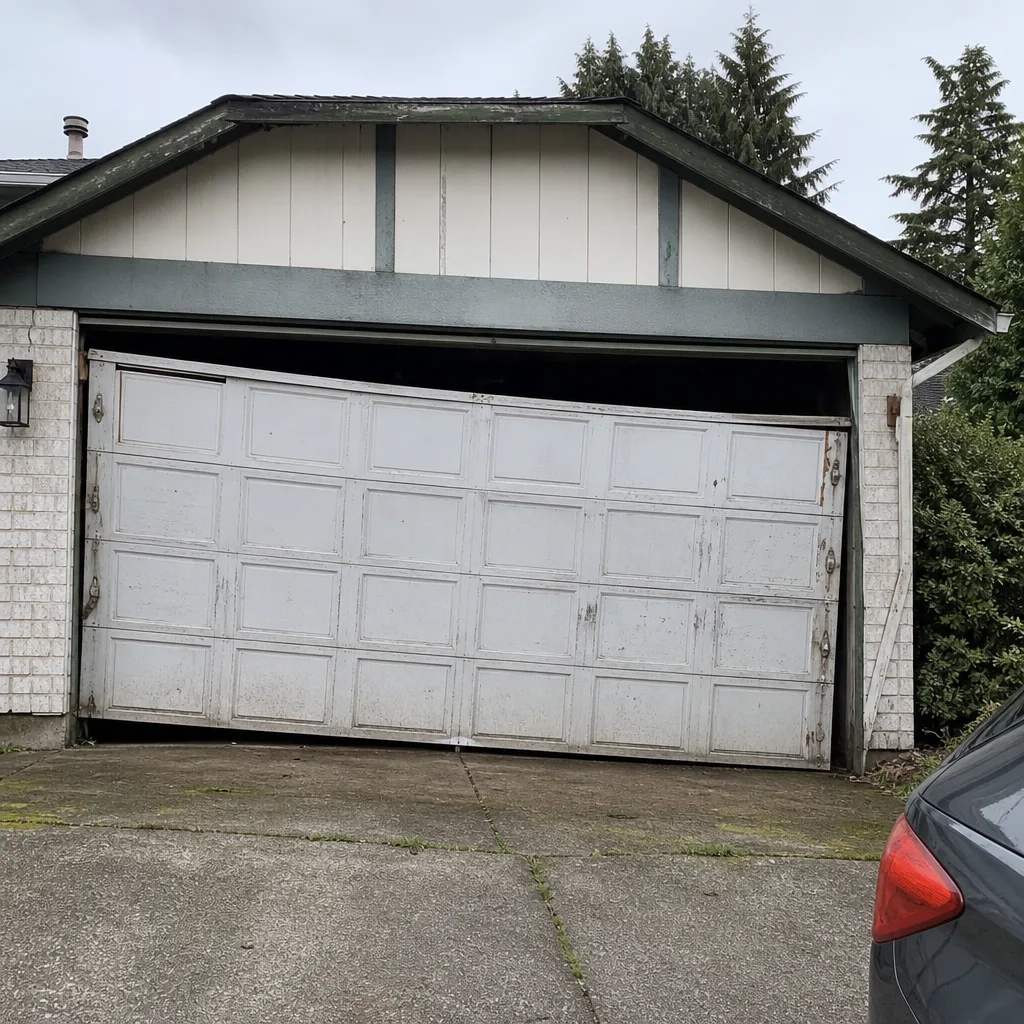 Before
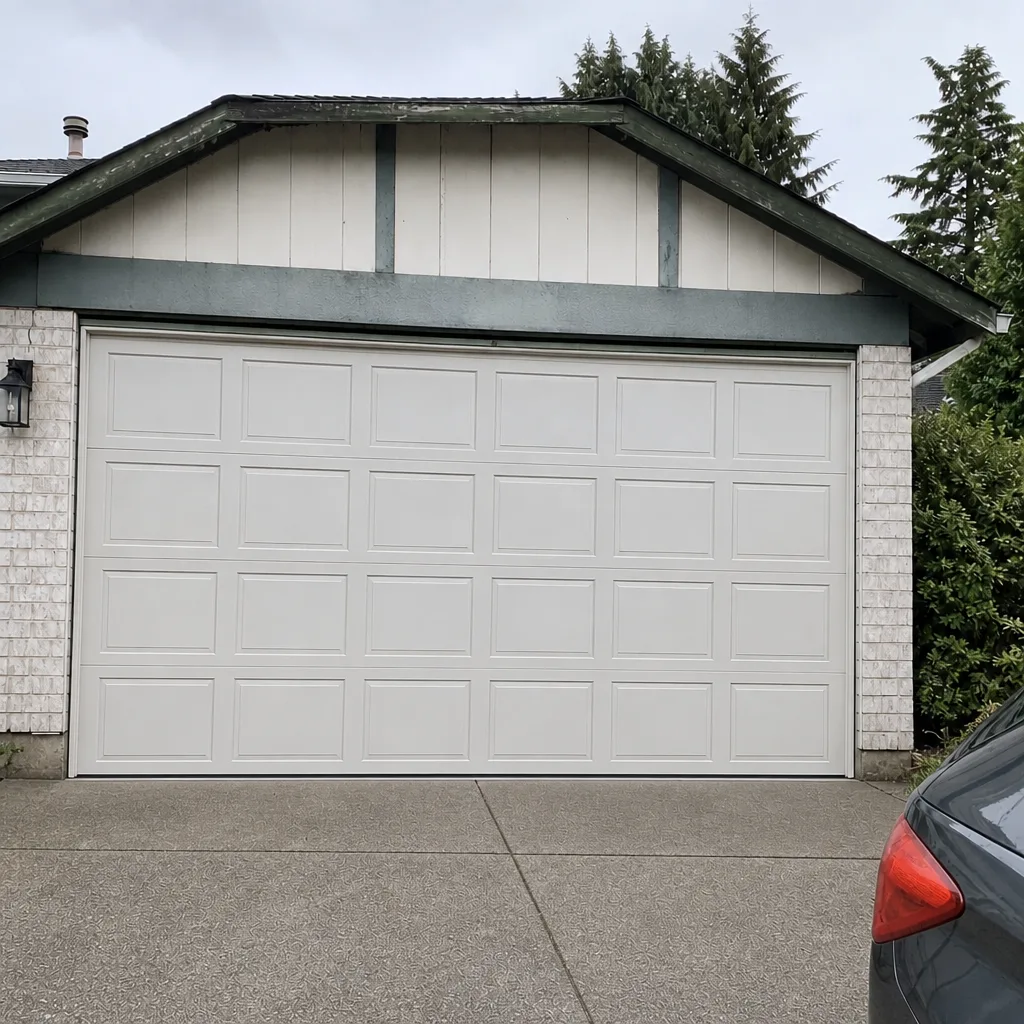 After
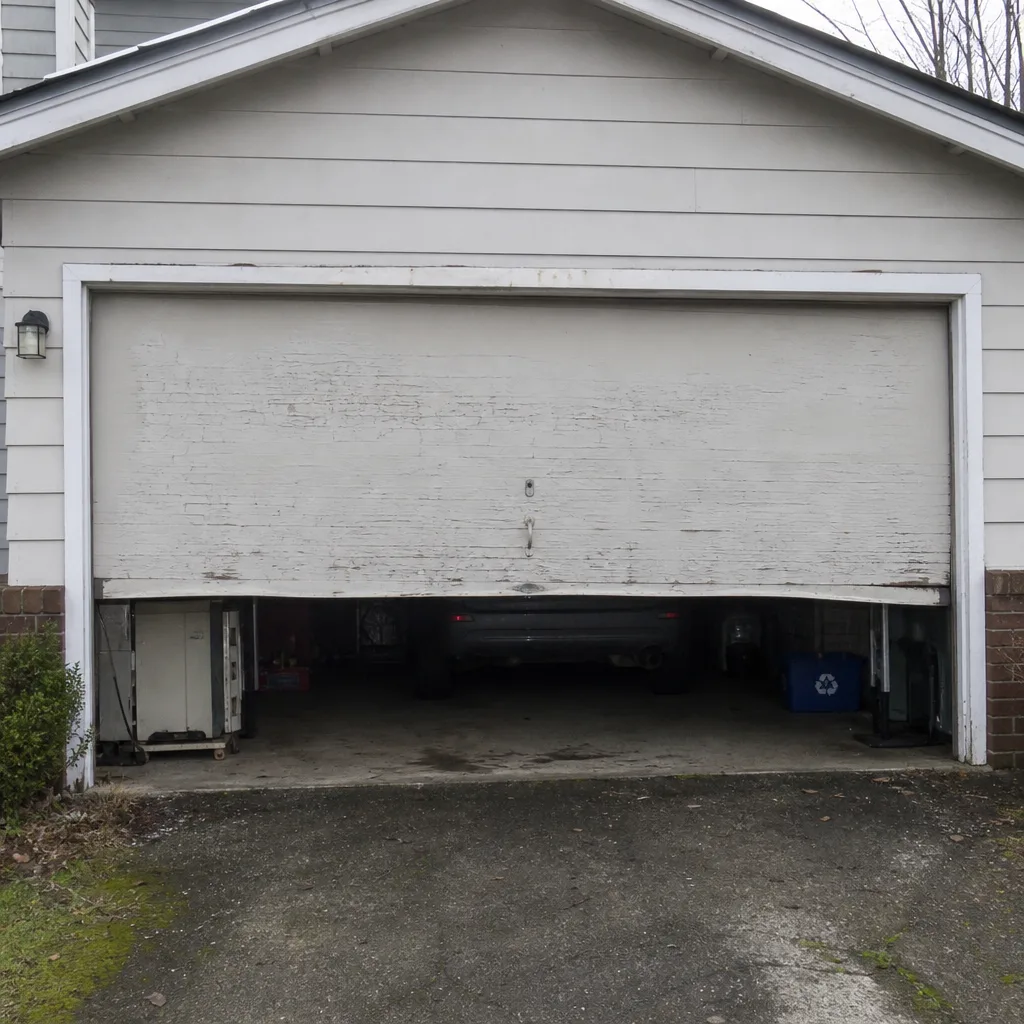 Before
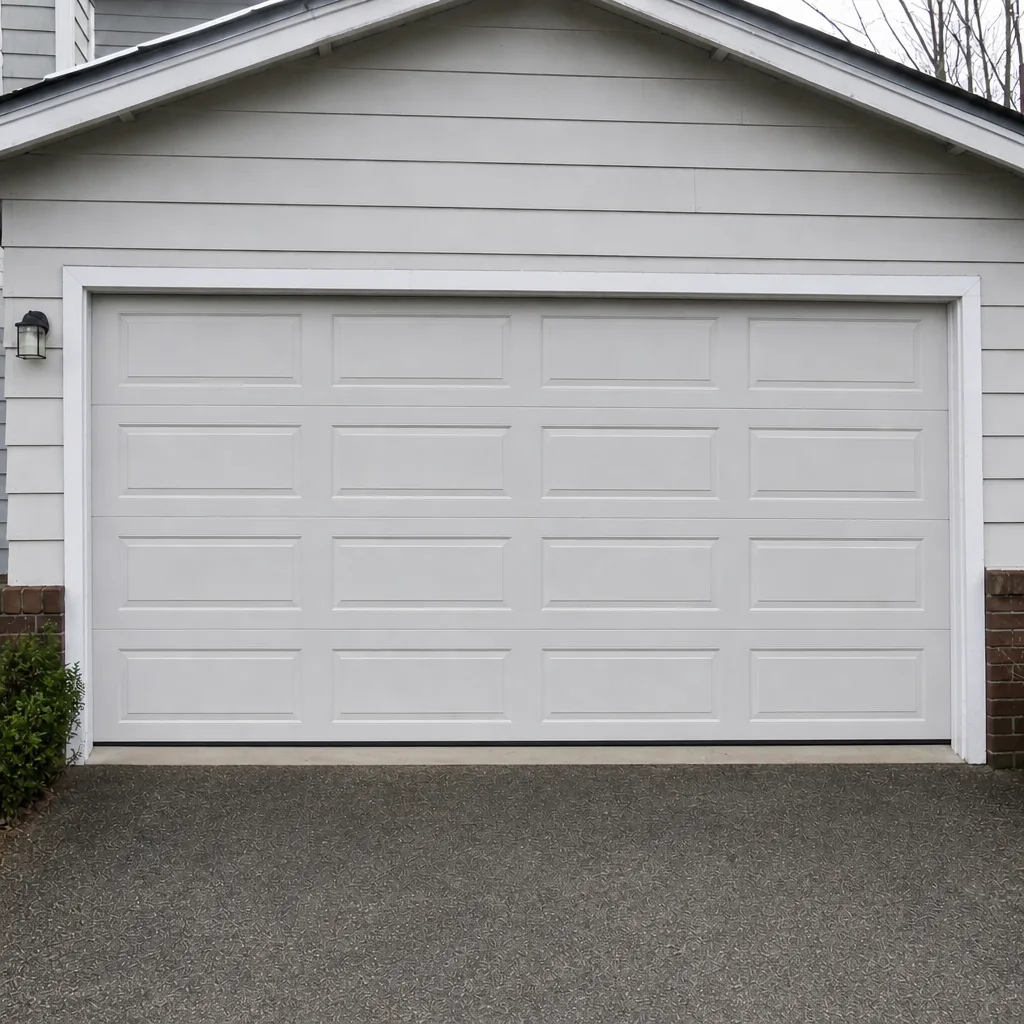 After
When to Call a Professional
Call the moment a door makes a snap, a cable or spring is visibly damaged, or the opener reverses on its own without an obstruction. Do not keep cycling the door to see if it’ll fix itself. The right column of the decision framework earlier on this page covers the cases that need a professional today, not next month. For the watch-and-wait signs, a scheduled appointment is the safer route.
Everett Garage Door Repair Pros offers free estimates in Everett, and we handle everything from opener to panel to spring in one visit. Our technicians have up to 9 years of experience across the major opener platforms and door brands, and we also provide emergency garage door service for failures that can’t wait for a standard booking. We answer 24/7, and fast dispatch from 7am to 7pm, Sunday through Friday.
Call (866) 593-5155 to schedule a free estimate. The written quote is settled before any work starts, so there’s no surprise invoice at the end.
Frequently Asked Questions
A half-second hesitation before the door starts moving is the earliest measurable sign. It usually points to a weakening spring or a binding track, and it often shows up weeks before any louder symptom. If you notice it, cycle the door once and watch the top edge. If it rises crooked, call a technician rather than waiting for the door to fail.
The normal sounds are the steady whir of the opener, the light rumble of rollers, and the closing thud. A new sound that stands apart from those three, especially a snap, pop, or uneven clunk on one side, indicates a specific hardware issue rather than general wear. Any new sound is worth a look; a sudden one that changes how the door moves is worth a call. Call (866) 593-5155 for a free estimate if you’re not sure.
Yes. Look at the spring mounted horizontally above the door and scan for a visible gap in the coil, rust bloom, or a spring sitting lower than its neighbor. That inspection is safe from the floor. Do not attempt to adjust, wind, or remove the spring; the tension inside can cause severe injury and requires a trained professional with proper tools.
Yes, it’s a real signal and not a glitch. An unexpected reverse means the opener’s force limit or obstruction sensor detected more resistance than the door should be putting out. The likely cause is a binding track, weak springs, or a worn roller, and it typically worsens without repair. Call (866) 593-5155 for an appointment before it happens with the car halfway out.
For urgent failures, we offer same-day service and emergency garage door service; for non-urgent signs, we schedule a standard appointment. The estimate is free, and the price is fixed by the written quote before any work begins. Call (866) 593-5155. We answer 24/7, and fast dispatch from 7am to 7pm, Sunday through Friday.
Usually yes, if both are similar in age and matched. A pair absorbs the same wear over the same time, so a single replacement tends to be followed by the other side within months. A single spring is priced per spring; a matched pair is roughly double that, and the technician will confirm which layout your door uses on arrival. Call (866) 593-5155 for a free estimate.
Replacing the seal first is a mistake; a new seal on a misaligned door fails in the same weather. Have the door checked for alignment first, then replace the seal once the door is confirmed square. A worn seal also lets Everett rainwater under the door, so it’s worth fixing quickly once the door itself is sound.
The Bottom Line
The warning signs worth acting on are usually the quiet ones. Treat any new sound, any hesitation before the door moves, and any daylight coming under it as a message. Spring wear, cable damage, and force-limit reversals are almost always visible from the floor before they fail. Anything that makes the door drop, reverse on its own, or lose a spring is a stop-using-it signal, full stop.
The decision framework on this page gives you a clear line. Use it. For everything else, a free estimate settles the question with a technician who reads doors the way the hardware is asking to be read. If you’re in Everett and want a second opinion, our team can look at it and let you know where the signals sit.
Call (866) 593-5155 for a free estimate. We answer 24/7. Fast dispatch from 7am to 7pm, Sunday through Friday.
Written by the team at Everett Garage Door Repair Pros.