
Last updated November 23, 2026
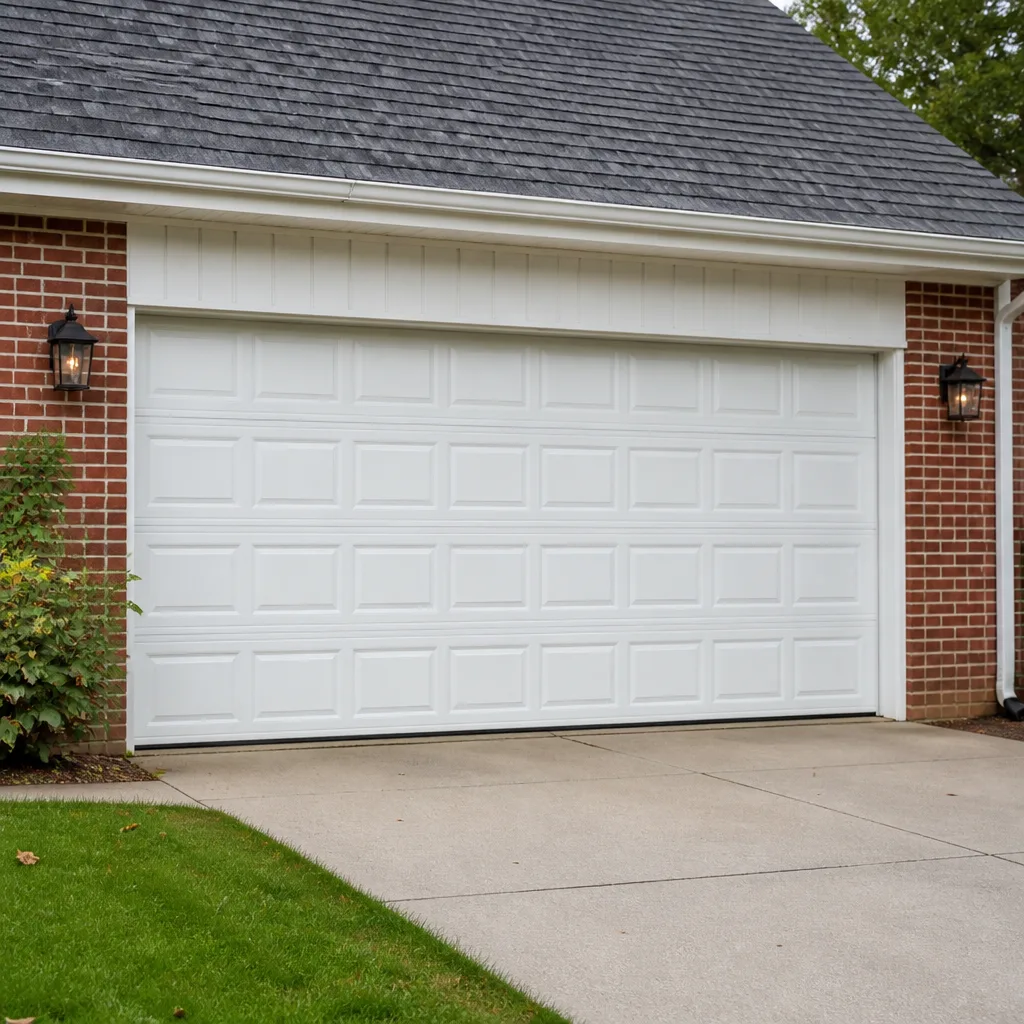 Raised-panel steel
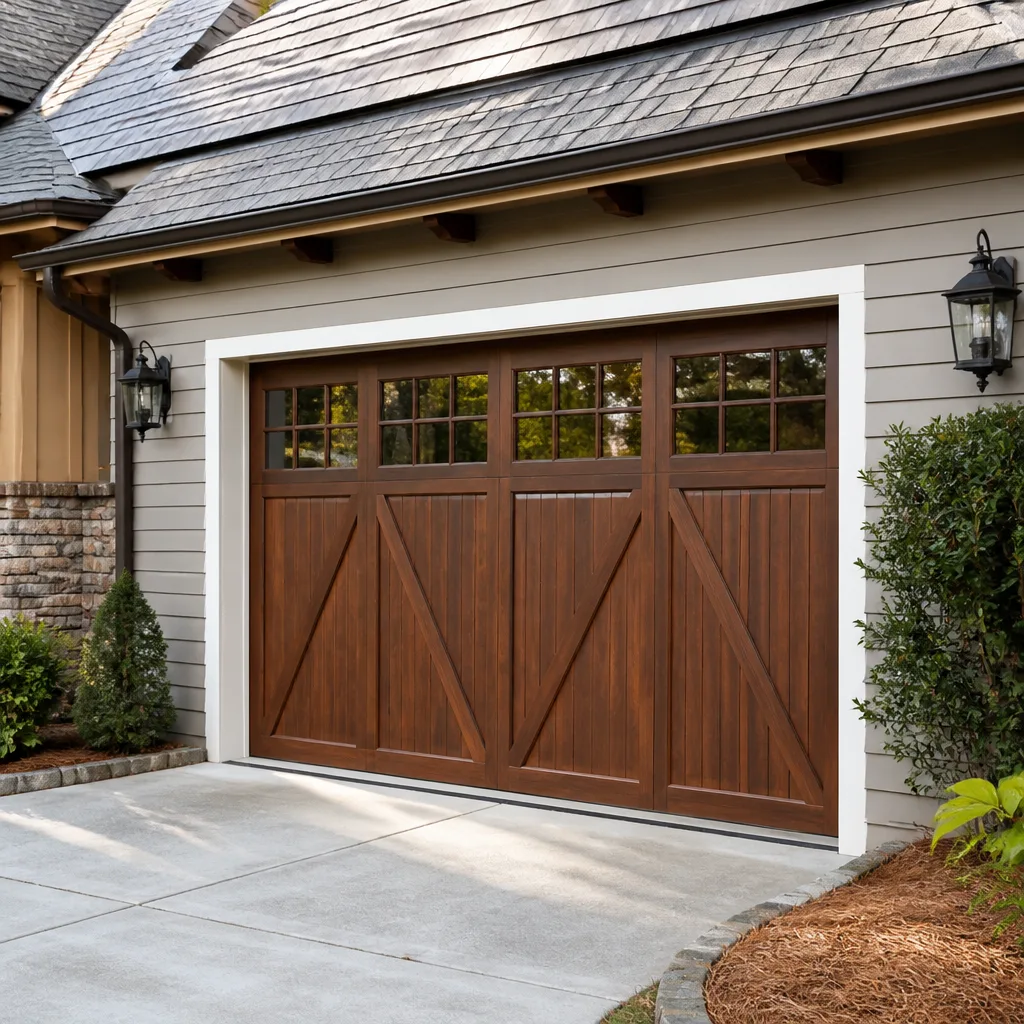 Carriage house
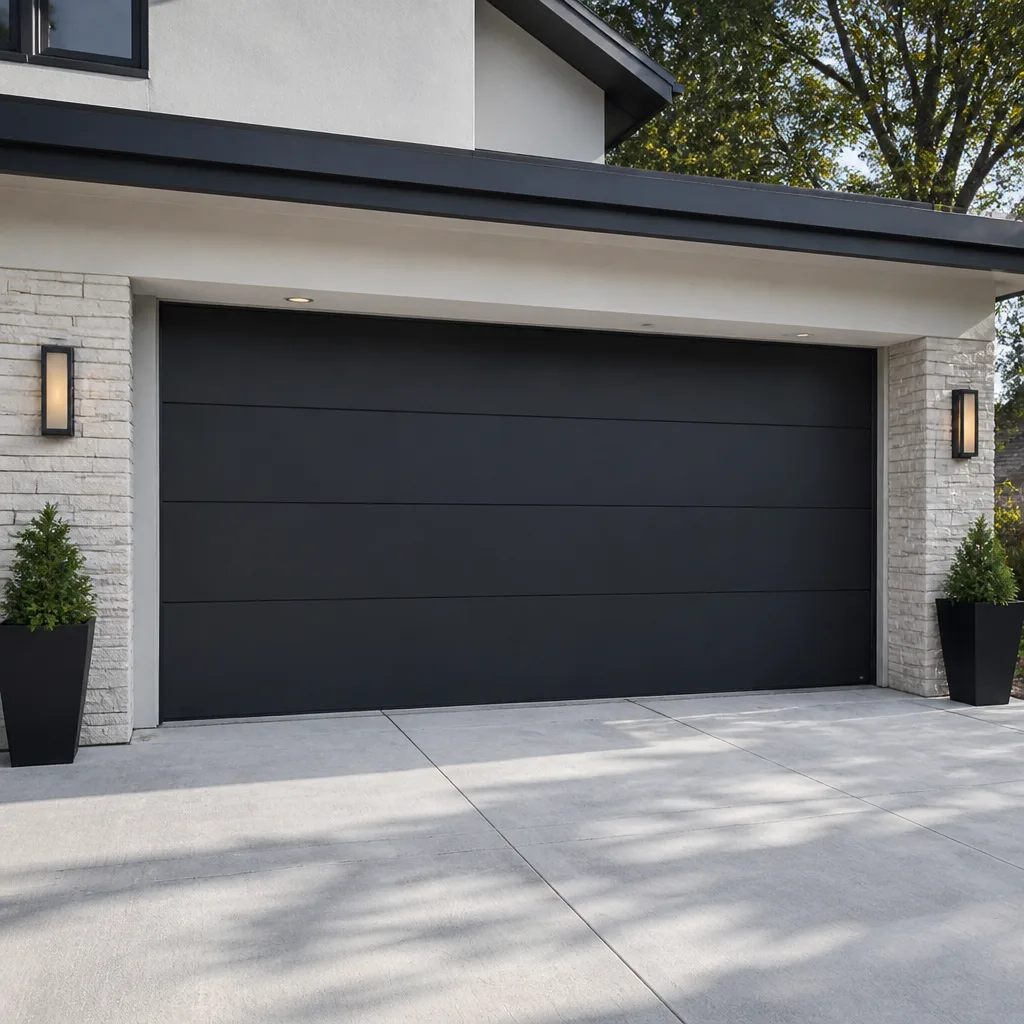 Modern flush
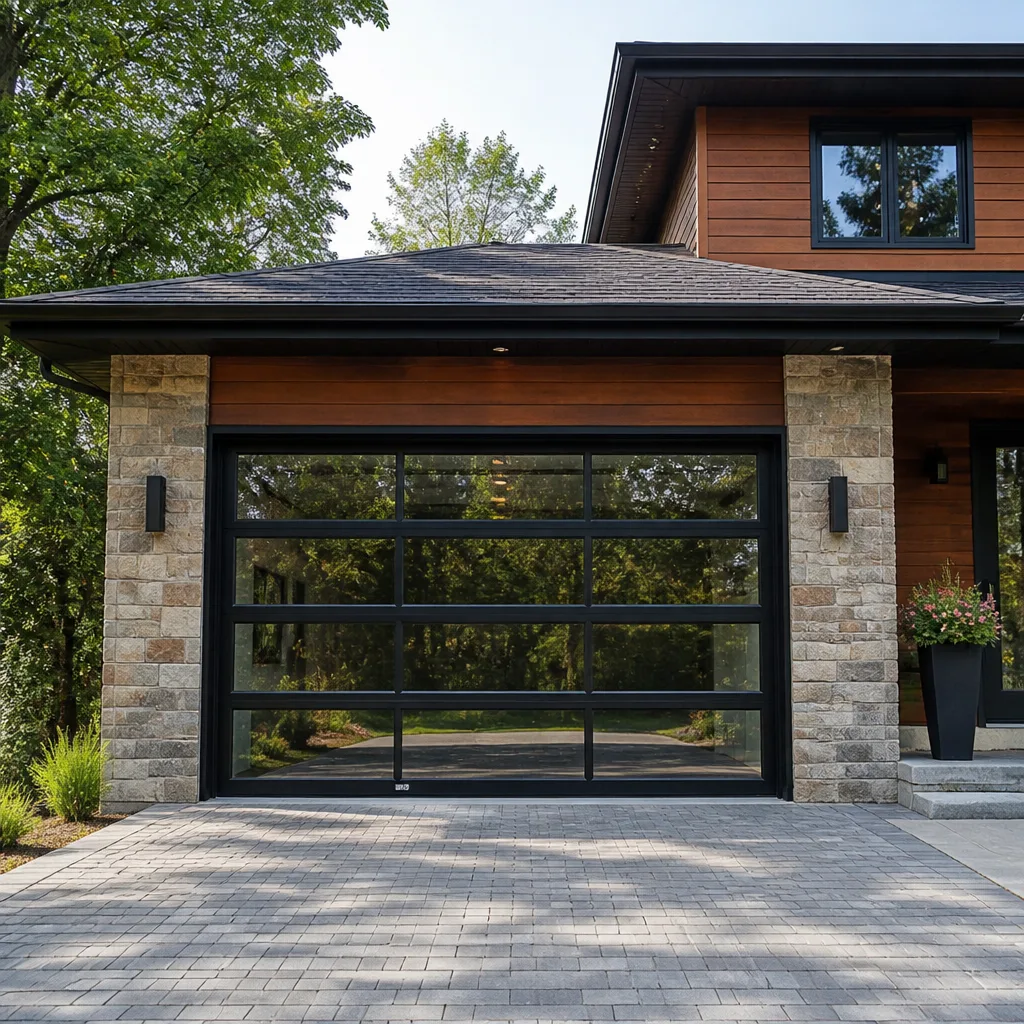 Full-view glass
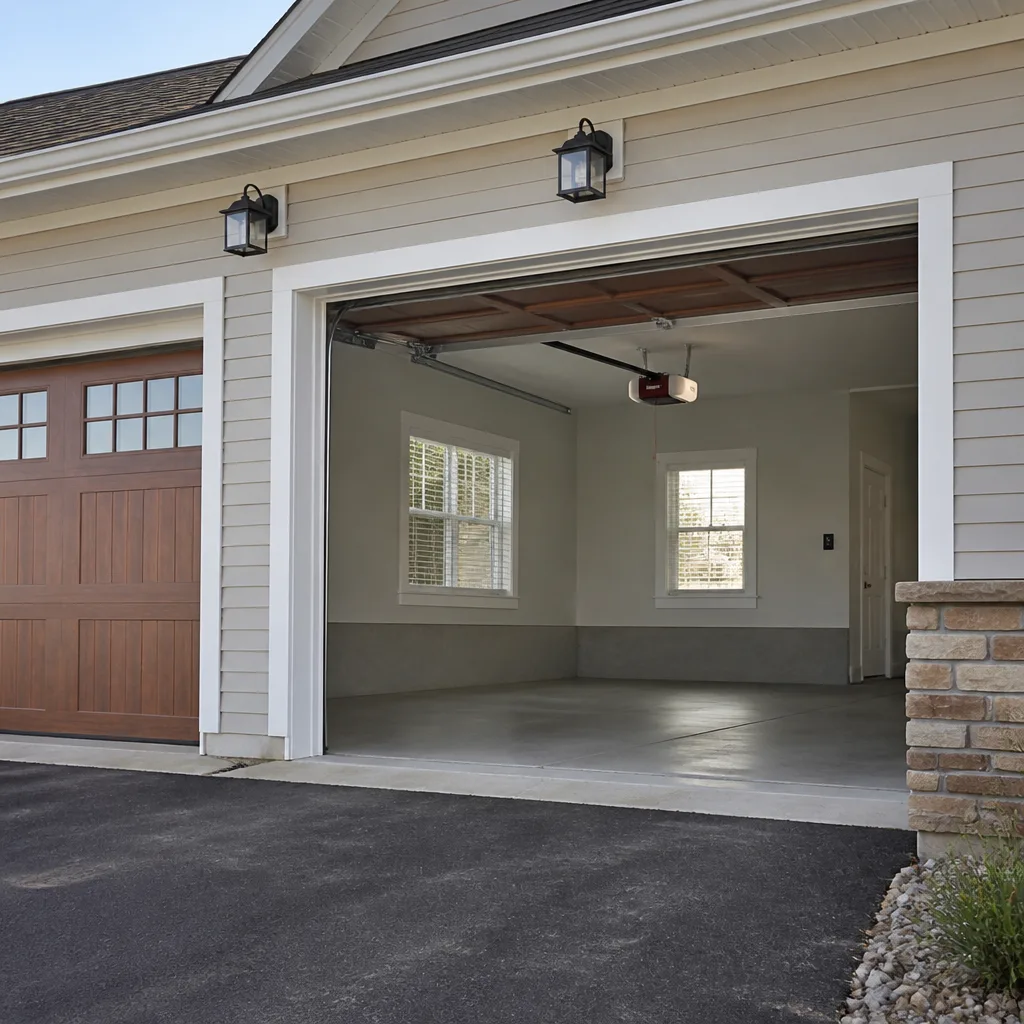 LiftMaster openers
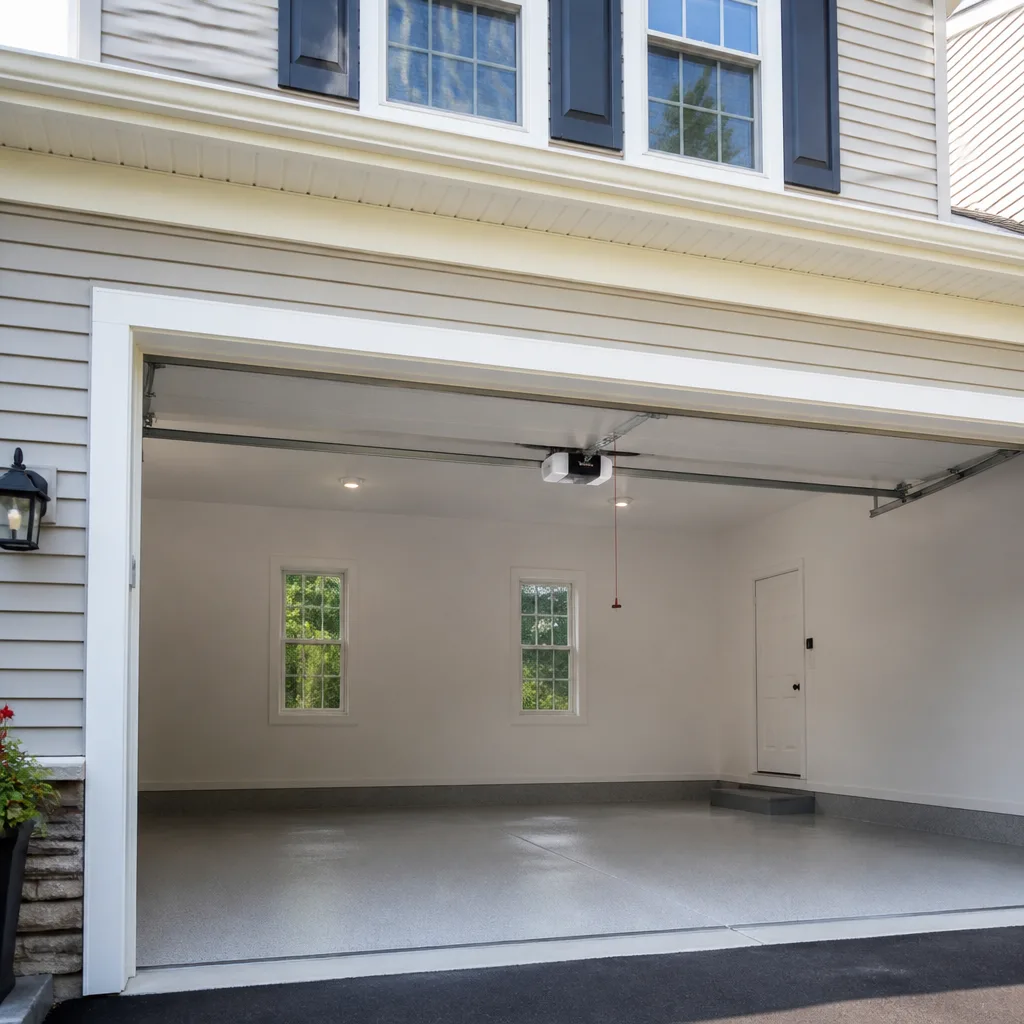 Chamberlain openers
Full 25-point door and opener safety check with every visit - springs, cables, rollers, tracks, and your LiftMaster or Chamberlain opener included
You get a price before we start. It does not change when the pro arrives.
Get your free estimateGarage Door Repair Maintenance Checklist for Everett Homeowners
Most garage door advice tells you to lubricate everything that moves and call it a day. In our experience across Everett, that’s backwards. The failures we get called out for most often come from over-lubricating the wrong parts and skipping the three checks that actually prevent the majority of service calls. This guide is built from the repair work our technicians run into around here, not from a generic manufacturer’s sheet. You’ll learn what to check, what to leave alone, and which small tasks catch a failing door months before it strands your car inside. Our technicians have up to 9 years of experience, and we work on eight of the most widely installed brands in the country, so we’ve seen what fails and why.
Quick Answer
A useful garage door maintenance checklist for Everett covers three checks that prevent most service calls: testing the auto-reverse and force limits of your opener, inspecting the rollers, hinges, and cables for wear without touching the springs, and keeping the tracks clean and aligned. Lubrication matters, but only at specific points – the hinges, rollers, and opener rail – and over-lubricating the tracks or springs does more harm than good in Western Washington’s damp climate. Spring tension, cable condition, and panel balance are visual checks for a homeowner; the moment any of them looks wrong, it’s a job for a trained technician.
Styles & brands we work with
- Raised-panel steel
- Carriage house
- Modern flush
- Full-view glass
- LiftMaster openers
- Chamberlain openers
Table of Contents
- Why Most Everett Maintenance Checklists Get It Wrong
- The Right Lubrication Points for a Damp Everett Climate
- Testing Your Bottom Seal Against an Uneven Floor
- Spring Tension: What You Can Safely Check Without Touching It
- Opener Force Limits and Seasonal Recalibration
- Track Alignment Micro-Checks With a Level
- Rollers, Hinges, and Cables: What to Look For
- A Seasonal Maintenance Schedule for Everett Homes
Why Most Everett Maintenance Checklists Get It Wrong
The number-one cause of avoidable garage door failures in Western Washington isn’t neglect. It’s doing the wrong maintenance tasks while skipping the three checks that actually prevent most service calls. A homeowner who spends an afternoon spraying lubricant on every moving part and never tests the opener’s force limits has done less for their door than someone who spends ten minutes on the right checks.
Here’s the pattern we see in Everett. Damp air and temperature swings work on a garage door constantly. Metal expands and contracts with the seasons, wood panels swell, and the opener that ran smoothly in July can strain in January. Most published checklists are written for a dry, stable climate. They tell you to grease the tracks. They skip the bottom seal entirely. They say nothing about how humidity changes your opener’s auto-reverse setting.
A checklist calibrated to real failure modes looks different. It’s short. It separates the checks you can safely do yourself from the ones that require a trained hand. And it accounts for the fact that a garage door is under high tension – the springs and cables that lift it can cause serious injury if handled wrong.
What this guide covers, in order of what actually prevents service calls:
- The three highest-value checks (opener safety, track alignment, bottom seal compression)
- Lubrication done correctly, and the parts to leave dry
- Safe visual inspection of springs and cables
- Seasonal recalibration of your opener’s force settings
- The small tasks that catch wear early, before it becomes an emergency
If at any point a check turns up something that looks wrong with the springs, cables, or panels, stop and call a professional. That’s not caution for its own sake. Those parts store enough energy to hurt you.
The Right Lubrication Points for a Damp Everett Climate
Lubrication is where most Everett homeowners do too much, not too little. The goal isn’t to coat everything that moves. It’s to reduce metal-on-metal friction at specific points while keeping grit-attracting surfaces dry. In a damp climate like ours, the wrong lubricant in the wrong place turns into a sticky trap for dust and grit, and that grit accelerates wear on the parts you were trying to protect.
Here’s the split that matters.
Lubricate these points
- Hinges: A small drop of garage-door lubricant at each hinge pivot point. Wipe away any excess. Hinges are where metal pivots on metal and where friction builds up fastest.
- Rollers: A light application on the roller bearings and stems, not the roller surface that rides the track. Sealed bearings often need nothing – check before you add anything.
- Opener rail and chain or belt: Follow the opener manufacturer’s guidance. A LiftMaster or Chamberlain chain drive generally wants a light application on the rail; a belt drive usually needs none. Getting this wrong is a common source of noise complaints.
- Lock and handle mechanisms: A small amount of lubricant keeps them working smoothly through wet months.
Leave these dry
- Tracks: Never lubricate the inside of the track. A dry track lets the rollers roll. A greased track collects grit, and the rollers start skidding instead of rolling. This is one of the most common mistakes we correct.
- Springs: Leave them alone. They don’t need lubrication, and reaching into the spring assembly to apply any is dangerous.
- Bottom seal: Keep it clean and dry. Lubricant degrades the rubber.
In a damp Everett climate, use a garage-door-specific lubricant rather than general-purpose oil or grease. Silicone-based or lithium lubricants designed for garage doors stay put better and attract less grit. Apply a small amount and wipe the excess. Less is genuinely more here. If you’re not sure which product suits your door, that’s a reasonable question to ask when you call us for a free estimate.
Testing Your Bottom Seal Against an Uneven Floor
This is the check almost every generic checklist skips, and it’s the one that matters most for Everett’s older garages. The bottom seal keeps weather, water, and pests out. It also cushions the door as it meets the floor. If it’s not making firm contact along its whole length, you get drafts, water intrusion, and eventually a door that closes on a hard surface – which stresses the opener and the door itself.
A properly sealed door compresses its bottom seal evenly across the entire width of the opening. In many Everett homes, aging concrete has settled unevenly, so the floor isn’t perfectly level. That means the seal needs to compress more in some spots than others. If your door was set up before the floor settled, the seal may only be touching in the middle.
How to test the seal
- Close the door and look along the bottom edge from inside the garage. You’re looking for a continuous line of contact between the seal and the floor.
- Run a piece of paper under the seal at several points along the width. If it slides through easily in spots but grips in others, the seal isn’t making even contact.
- Check for daylight from outside at the bottom corners. A sliver of light means a gap.
- Look for water staining or damp patches on the floor just inside the door after rain. That’s a seal that’s failed without you noticing.
- Feel the seal itself for cracks, hardening, or sections that have torn away. Rubber that has gone brittle can’t compress properly.
If your seal is worn or your floor is uneven, the usual fix is a new bottom seal, sometimes combined with an adjustment to the door’s travel limits so it seats properly against your specific floor. That’s a quick job, but it’s easier to get right when a technician accounts for the slope. A poor seal is one reason garage door repair calls pick up after a wet stretch – homeowners notice the water before they notice the worn rubber.
Spring Tension: What You Can Safely Check Without Touching It
We’re going to be direct here: the springs are the most dangerous part of your garage door. They store enough energy to lift a door that weighs more than most people can lift. When one fails, it lets go with a sharp crack and releases that energy at once. A trained technician replaces springs as a dedicated job for good reason. Do not touch the springs, the cables, or the hardware attached to them. This section is about what you can safely observe from a distance.
Visual indicators something is wrong
- An audible snap followed by a door that won’t lift: A spring has likely broken. Stop using the door and call for spring repair. Forcing it with the opener risks damaging the opener too.
- A gap in the spring coil: Look at the spring above the door. A broken spring shows a clear gap where the coil has separated. Don’t try to touch it.
- Visible stretch or thinning: Springs that have stretched or thinned out over time lose their lifting power, and the opener starts working harder.
- A door that’s heavy to lift: If you’re able to safely disconnect the opener (pull the release handle while the door is fully closed), lifting the door partway by hand should feel reasonably light. A door that feels very heavy, or drops quickly, points to a tension problem. If it feels wrong, don’t continue – let a technician assess.
- Cables off the drum or frayed: Look at the cables at the sides. Frayed cables, or cables that have come out of their groove, are a serious issue. Do not attempt to handle them.
Spring tension is one thing you can assess at a glance and get confirmed by a professional. Our garage door spring repair service is a dedicated offering, not an afterthought, because a spring problem is the underlying cause of a large share of the door failures we see around town. If anything above looks off, call us and we’ll diagnose it. Springs are one component. Cables and drums are another. Together they’re a matched system, and treating them as one is the difference between a fix that holds and one that fails again.
Opener Force Limits and Seasonal Recalibration
Your opener’s force limit and auto-reverse settings are safety features, and they drift. Humidity changes how freely the door moves, temperature swings change the tension in the springs, and the opener has to compensate. An opener set correctly in summer can be too sensitive – or not sensitive enough – by winter. This is why recalibrating seasonally matters, and why humidity changes in Everett make it more than a one-time task.
The auto-reverse is the safety feature that sends the door back up if it meets an obstruction. Your opener should reverse on contact with an object. It should also reverse if the safety sensors at the base of the tracks are blocked. Testing both is the single most important opener check you can do, and it’s quick.
Testing auto-reverse and force limits
- Place a flat board or a rolled-up towel in the door’s path and close the door. The door should reverse as soon as it contacts the object. If it presses down hard before reversing, or doesn’t reverse at all, your force limit is set too high.
- Break the beam of the safety sensors at the base of the tracks with your hand while the door is closing. The door should reverse immediately. If it doesn’t, the sensors need attention.
- Check that the sensors are aligned and clean. A dirty lens or a knocked sensor is the cause of many “door won’t close” complaints.
- Repeat both tests after any change in the weather, after you’ve adjusted anything on the door, and at least every season.
Most openers, including LiftMaster, Chamberlain, and Craftsman models, have force and limit adjustments on the opener head, often behind a light cover or panel. The exact process varies by model, and there’s a real risk of setting them wrong. If your door is reversing without an obstruction or crushing objects before it stops, don’t guess at the settings – call us and we’ll set them correctly for your door. Our garage door opener repair service covers standard, chain, belt, and app-connected smart openers, so whether you have an older Craftsman unit or a newer smart system, we know the platform.
Track Alignment Micro-Checks With a Level
Track problems are slow to develop and sudden to become emergencies. A door that’s slightly out of alignment can run fine for months and then bind suddenly, or come off its track. The good news is that a two-dollar level and five minutes catch most of it early. This is the check most homeowners skip and the one that buys you the most time before a repair.
The micro-checks
- Check that the tracks are vertical and parallel. Hold a level against each side track. It should read plumb. Even a small lean means the door is dragging against one side, and that wear adds up.
- Check the gap between the door and the track. With the door closed, look at the distance between the rollers and the track on both sides. It should be even. If the door is closer to one track than the other, the tracks have shifted.
- Look down the track like a sight. Stand at one end and look along the length of the track. You should see a straight line. A bend, even a small one, is where the rollers will eventually hang up.
- Check the mounting brackets. The brackets that hold the track to the wall and ceiling should be tight. Loose brackets let the track move, and movement changes the geometry of the door over time.
- Watch the door as it opens and closes. Stand back and watch for wobble, a door that seems to lean, or a moment where it hesitates. Any of those point to alignment issues.
If you find a bent or loose track, some of it is a simple tightening job. But bent tracks need straightening, and that’s easier to do correctly while the door’s tension is managed. A track problem caught early usually stays a small repair. One left alone can become a door that’s jammed and won’t move at all. That’s the point where Everett Garage Door Repair Pros gets the call, and we can often handle it without turning it into a major job – but catching it early is always cheaper.
Rollers, Hinges, and Cables: What to Look For
These are the parts that carry the door through every cycle, and they wear out gradually. Nylon rollers are common on newer doors and last longer than steel rollers, but they still wear. Hinges wear at the pivot points. Cables stretch and fray. The checks here are visual, and catching wear before a part fails is what keeps a door running quietly and safely.
Rollers
- Look for flat spots, cracks, or chips on the roller. A flat roller makes noise and thumps as it rolls.
- Check for wobble in the bearing – a roller that wobbles is worn and due for replacement.
- Look at the roller stems for bending. A bent stem points to a bigger alignment issue worth checking.
Hinges
- Check the pivot points for wear or looseness. Worn hinges make the door rattle and can cause the panels to shift.
- Look for a hinge that’s coming loose from its panel. On a steel door this shows as a loose screw; on a wood door it can be a rusted or split fastener.
- Listen for rattling or clunking that wasn’t there before. That’s the sound of worn hinges or rollers.
Cables
- Look at the cables that run down the sides. They should be taut, straight, and unbroken.
- Fraying, kinks, or cables with a strand broken off are a safety issue. Call a professional – do not try to fix cables yourself.
- Look at the cable drums at the top of the shaft. A cable off its drum is a serious problem.
Replacing rollers and hinges is a reasonable upgrade during any maintenance visit. It’s also a good time to check whether your door hardware is the right type for a door of your size and weight – a genuine benefit of hiring a technician who works on your brand. Clopay, Amarr, Wayne Dalton, and Raynor doors all have their own hinge and hardware patterns, and matching the right parts keeps the door balanced. If you’re replacing the door rather than repairing it, our garage door repair team can also fit a new door and opener together, so the door and operator are matched from the start.
A Seasonal Maintenance Schedule for Everett Homes
The best schedule is one you’ll actually follow. Here’s a practical version for an Everett garage, broken into what to do each season. The tasks are short. Some months take ten minutes; the biggest quarter takes half an hour. That’s a lot less time than a serious repair call.
Quarterly (or with each season change)
- Test the auto-reverse and safety sensors.
- Check the bottom seal for contact and wear – especially before wet season.
- Look over the rollers and hinges for wear.
- Run the door and watch for wobble, noises, or hesitation.
Twice a year
- Lubricate hinges, rollers, and the opener rail (not the tracks).
- Check track alignment with a level.
- Look at the springs and cables visually, from a safe distance, without touching them.
- Test that the opener’s force limits are set appropriately for your door.
Before the wet season (autumn)
- Replace the bottom seal if it’s worn, so rain stays out.
- Check for water intrusion around the door and address the cause.
- Check the door’s balance and responsiveness.
- Recalibrate the opener’s force and limit settings after a season of use.
Annually, or when anything looks worn
- Have a technician inspect the springs, cables, and hardware.
- Replace rollers and hinges if they’re worn.
- Check the door’s overall balance and alignment.
In Everett, the wet season makes autumn the most important maintenance window. Your door will be working harder against water and temperature change for months. Getting the seal and opener settings right before the rain starts is the difference between a quiet door all winter and a repair call in January.
Common Mistakes to Avoid
- Greasing the tracks. This is the single most common mistake, and one we fix most often. A greased track looks like it should run better, but it collects grit and the rollers stop rolling. Keep tracks dry and clean.
- Lubricating everything that moves. In a damp climate, greasy parts trap grit and accelerate wear. Lubricate the specific points in this guide and wipe off the excess.
- Ignoring the bottom seal. Most checklists skip it. In Everett’s wet winters, a worn seal lets water in and puts strain on your door. Check it before the rain, not after.
- Setting the opener force too high. An opener that crushes objects before reversing is a safety hazard. If you’re not sure how to set it correctly, have a technician do it – many openers differ in how their limits work.
- Touching the springs or cables. These carry stored energy and can cause serious injury. Springs are a professional job, and we offer spring repair as a dedicated service for exactly that reason.
- Forcing a door that won’t open. If a door won’t move, the opener isn’t the only thing that might be wrong. Springs, cables, or alignment could all be involved, and forcing it risks more damage. Call a technician.
- Waiting for a failure before scheduling maintenance. Track misalignment and worn rollers are cheap to fix when caught early. Left alone, they become emergency calls. A quick seasonal check buys you the difference.
See the difference
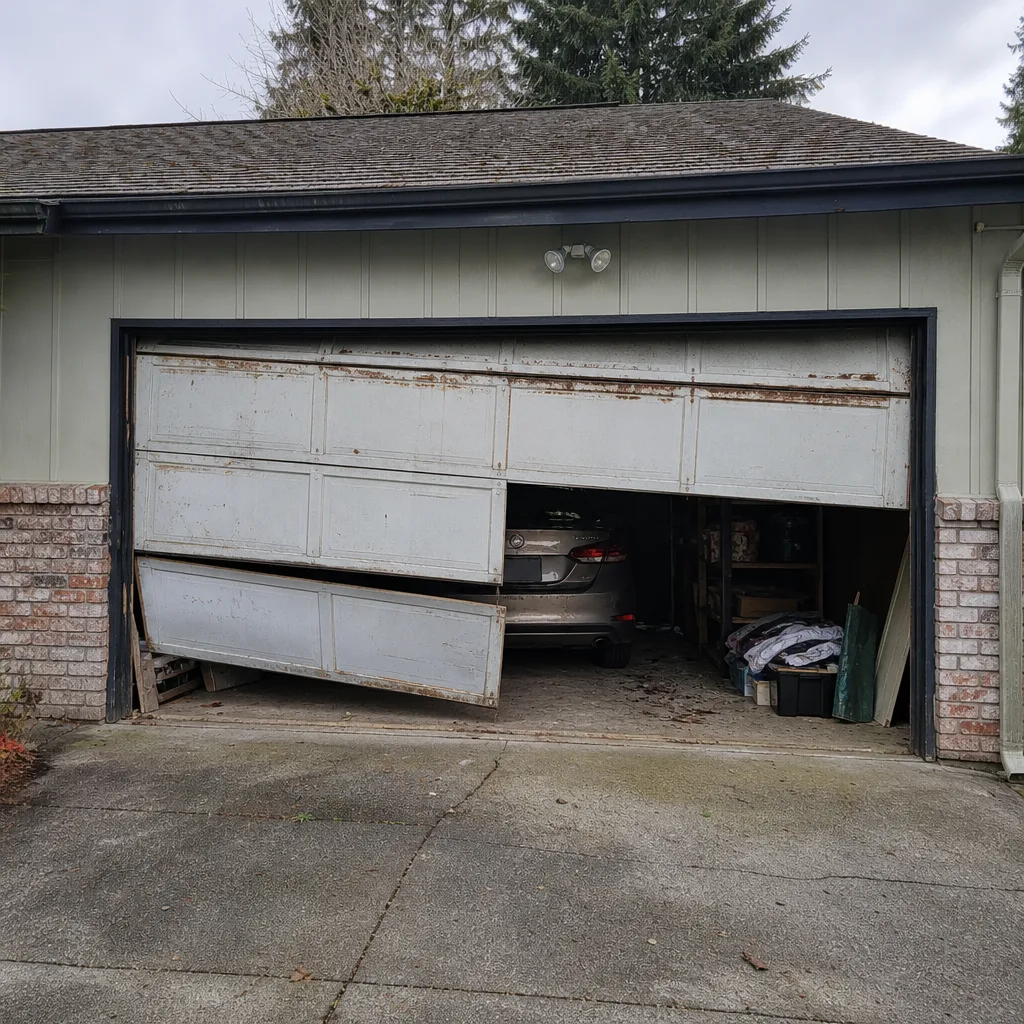 Before
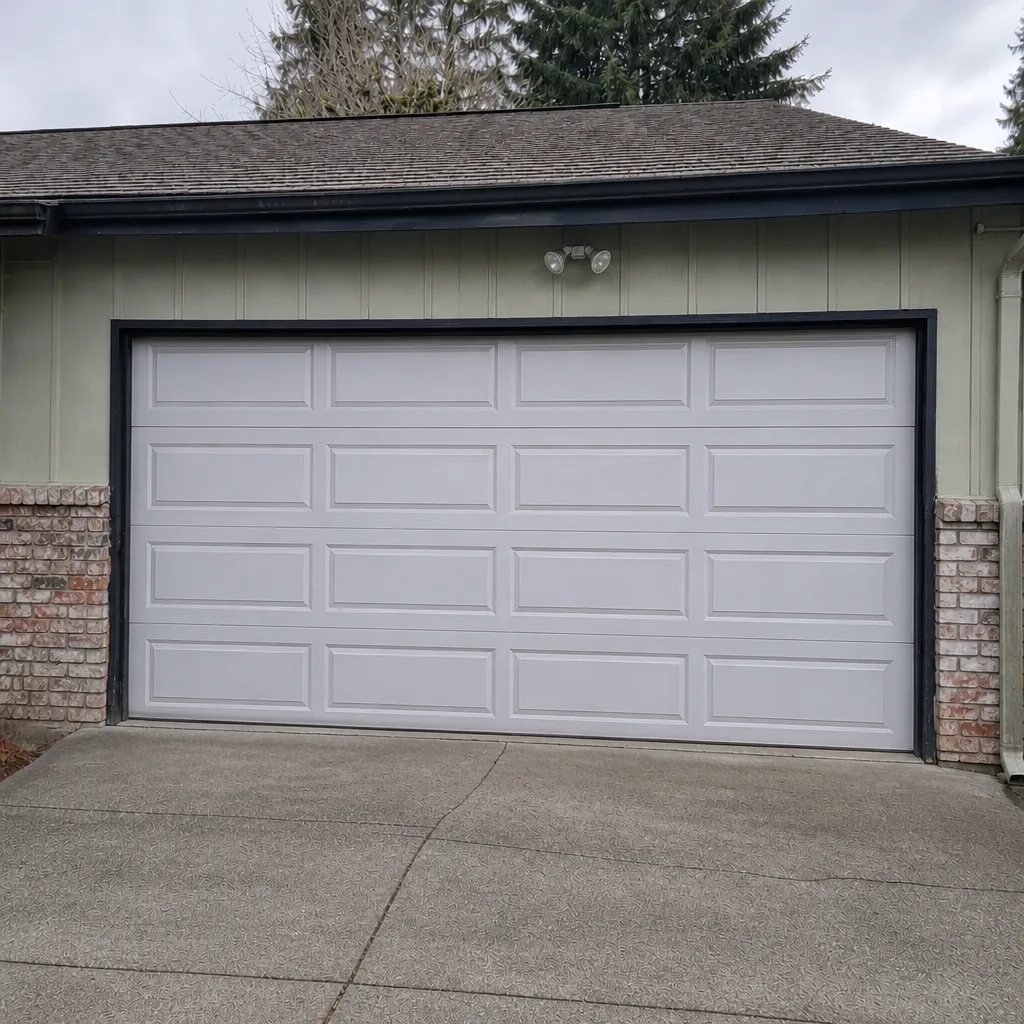 After
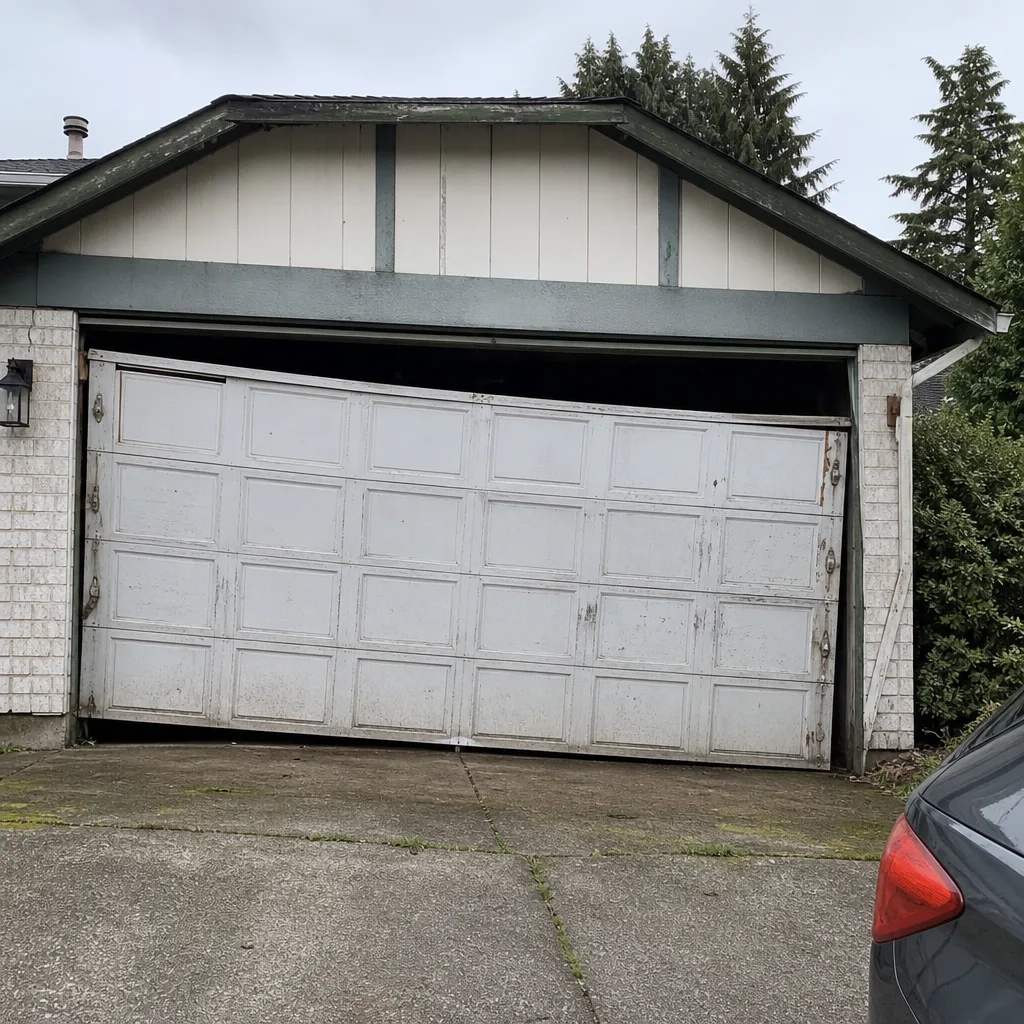 Before
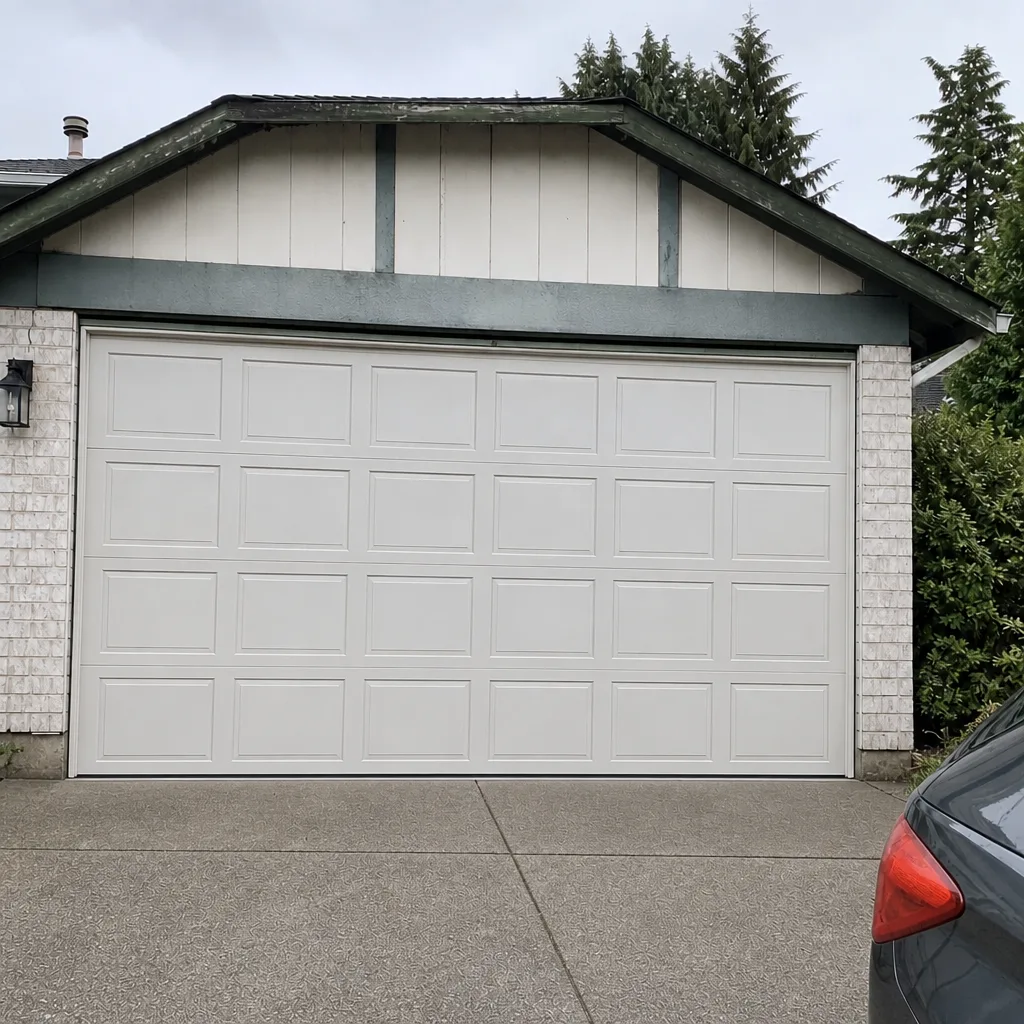 After
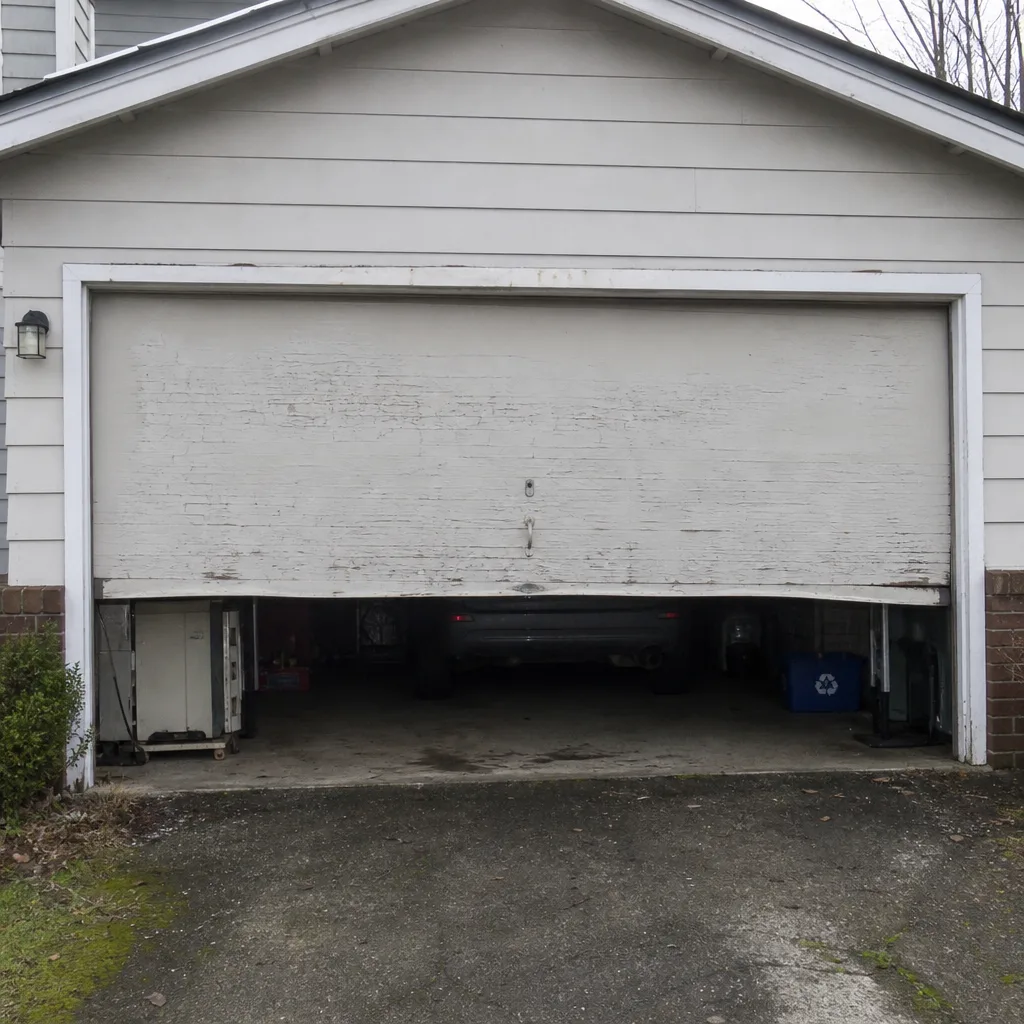 Before
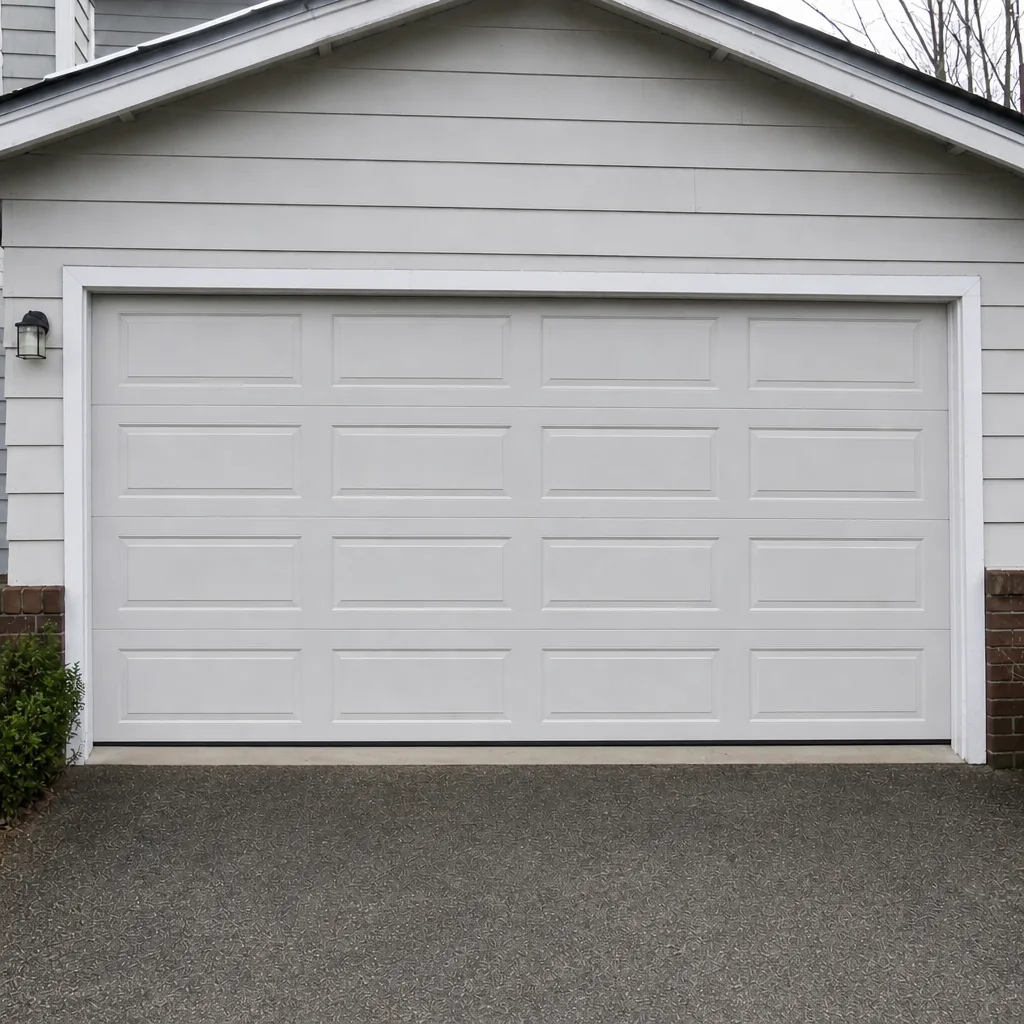 After
When to Call a Professional
Most of this checklist is safe for a homeowner to handle. The moment the problem involves springs, cables, panels, or a door that’s off track, it’s time to call. Those parts are under high tension and the work needs a trained hand with the right tools. Anything that looks wrong with the door’s balance, weight, or tension should go to a technician. Same for openers that won’t hold their settings, doors that have come off their tracks, and any door that won’t open at all under normal use. When the problem can’t wait for a scheduled appointment, our emergency service covers it.
Everett Garage Door Repair Pros offers free estimates in Everett – call (866) 593-5155. We answer 24/7 and dispatch from 7am to 7pm, Sunday through Friday. Our technicians have up to 9 years of experience, and we work on eight of the most widely installed brands in the country, including LiftMaster, Chamberlain, Genie, Clopay, Amarr, Wayne Dalton, Craftsman, and Raynor. When you call, you get a written price before any work starts.
Frequently Asked Questions
Every three months for the quick checks – auto-reverse, safety sensors, and pressing the door into the floor – and twice a year for lubrication and track alignment. The most important check is in autumn, before the wet season starts, when the bottom seal and opener settings matter most. If you live in an older Everett home with a settled concrete floor, check the seal every season.
No. Leave the springs alone. They’re under high tension and store enough energy to cause serious injury. Lubrication isn’t needed there, and reaching into the spring assembly to apply anything is dangerous. Keep your lubrication to the hinges, rollers, and opener rail.
Either something is in the safety sensor beam, the sensors are misaligned or dirty, or the opener’s force limits are set too low for the current temperature and humidity. Start with cleaning and aligning the sensors. If the door still reverses, the force settings need adjustment – and if you’re not sure how to set them, a technician can do it correctly.
No, a leaking seal means it’s worn, or it isn’t compressing evenly against an uneven floor. That’s common in older Everett homes and it’s a quick fix. Replacing the seal is usually inexpensive and prevents water intrusion and drafts.
It depends on the door and the spring, so a written estimate is the reliable answer. What matters most is that spring replacement is done as a matched job. If one spring has failed, the matched pair is usually replaced together, and we’ll confirm the exact price before any work begins. Call (866) 593-5155 for an exact quote – estimates are free.
Yes, when the job needs emergency attention, such as a door stuck open, off its track, or a broken spring. We answer 24/7 and dispatch from 7am to 7pm, Sunday through Friday. Call (866) 593-5155 and we’ll confirm what we can do for your door today.
The Bottom Line
A garage door maintenance checklist is only useful if it targets the failures that actually happen. For an Everett home, that means three checks above all others: test the opener’s auto-reverse and force limits, keep the tracks clean and aligned, and check the bottom seal against your floor before the wet season. Lubricate only the hinges, rollers, and opener rail, and leave the tracks and springs alone. The rest of the schedule catches wear early, when it’s a small repair rather than an emergency. If a check turns up something wrong with the springs, cables, or panels, call us. We’ll diagnose it, quote it, and fix it.
Contact Us
If your maintenance checks turn up something that needs fixing, or you’d rather have a technician look at the door for you, call Everett Garage Door Repair Pros for a free estimate at (866) 593-5155. We answer 24/7, dispatch from 7am to 7pm, Sunday through Friday, and we work on your brand – from opener to panel to spring. We can handle a repair on your existing door, an opener fix, a spring replacement, or a full new installation under one company, so you don’t have to source a second team when the job grows. When you call, we’ll give you a clear diagnosis, a written price, and an agreed time.
Written by the team at Everett Garage Door Repair Pros.