
Last updated November 23, 2026
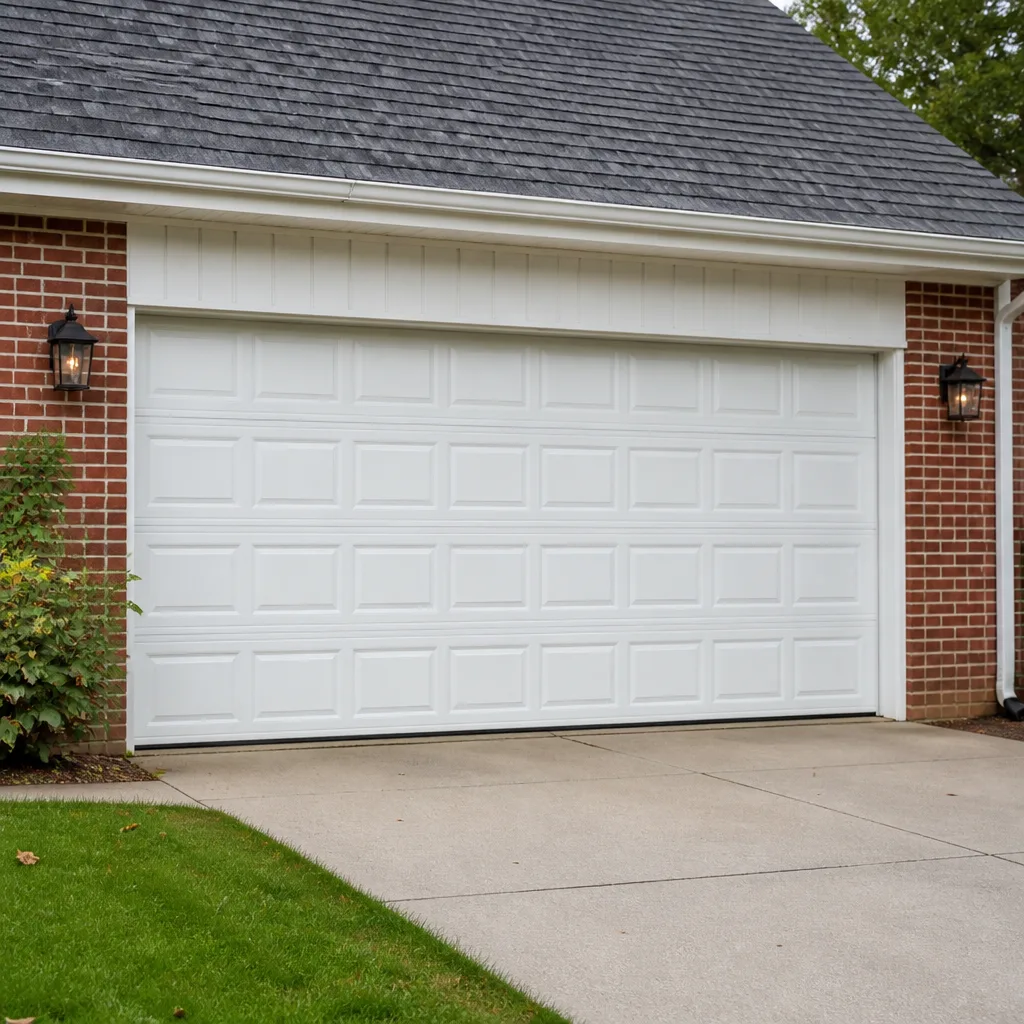 Raised-panel steel
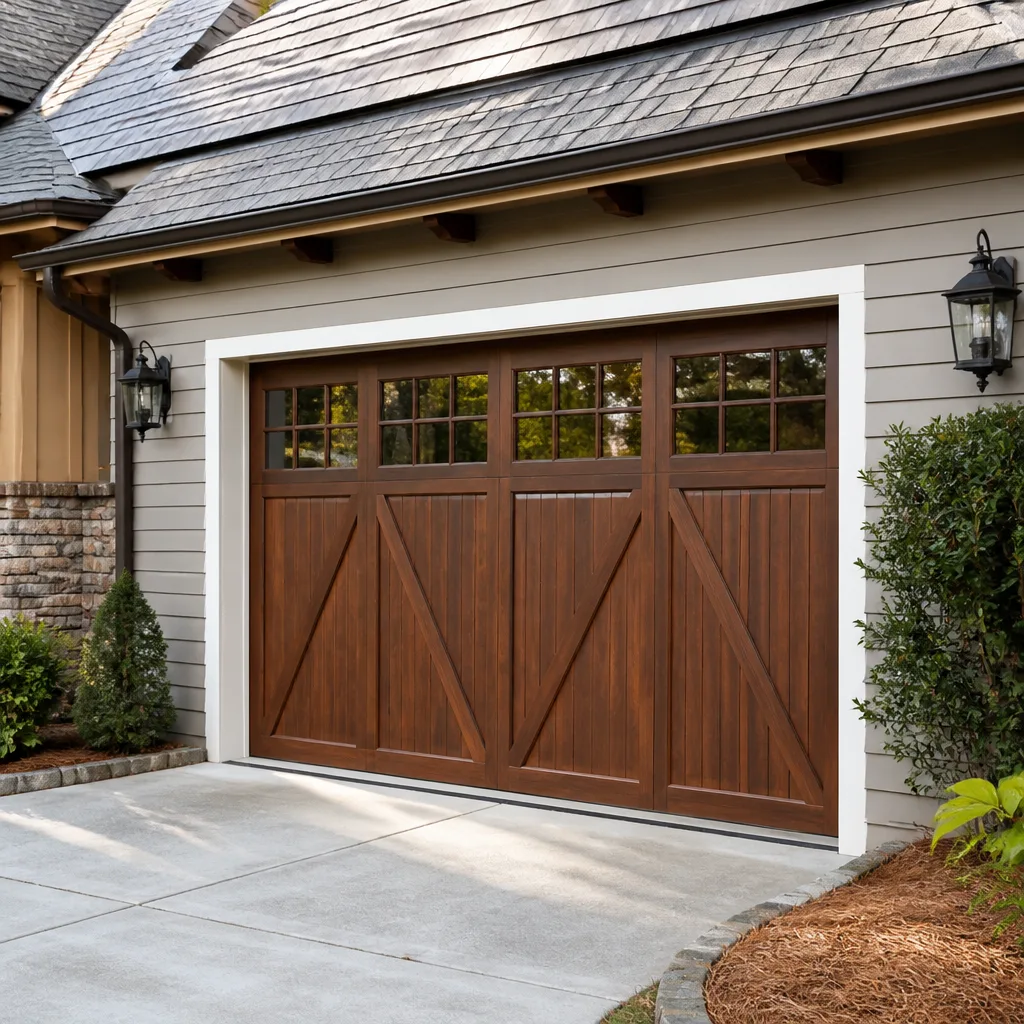 Carriage house
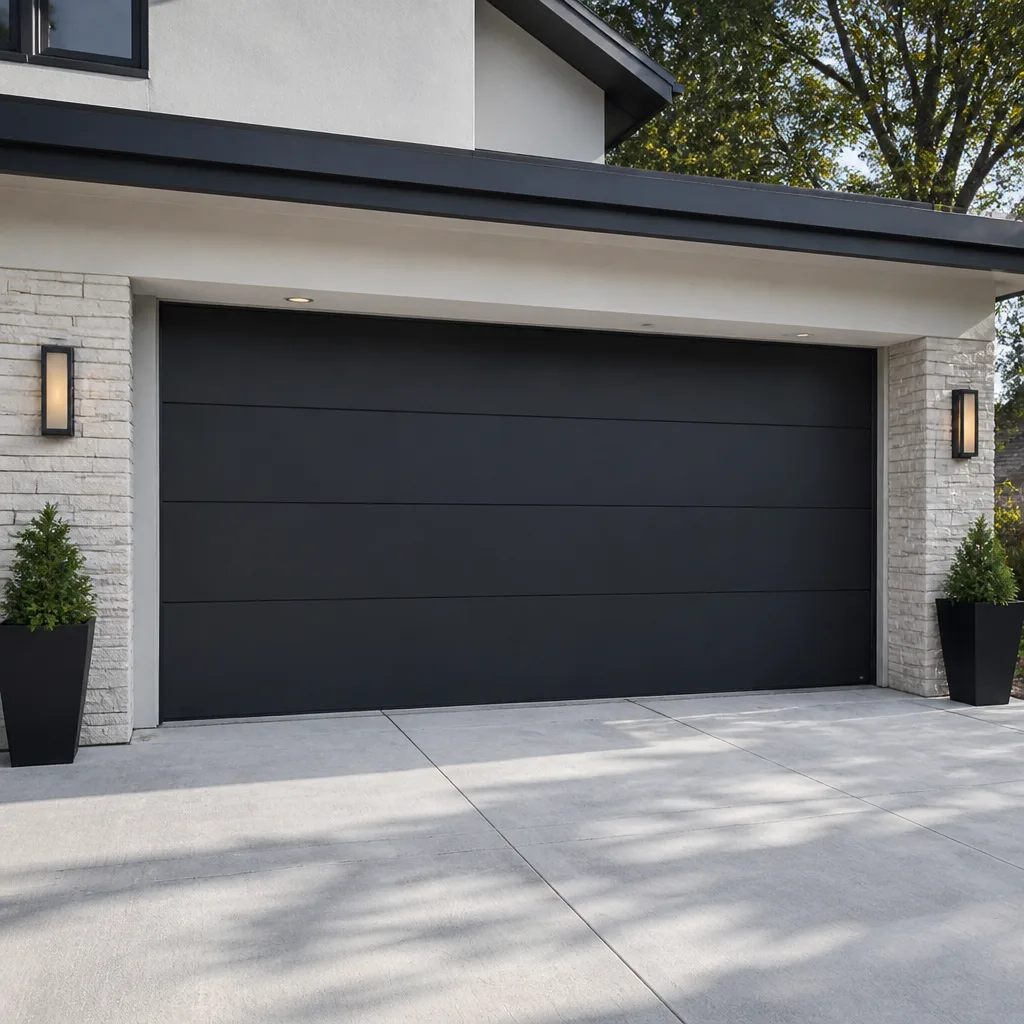 Modern flush
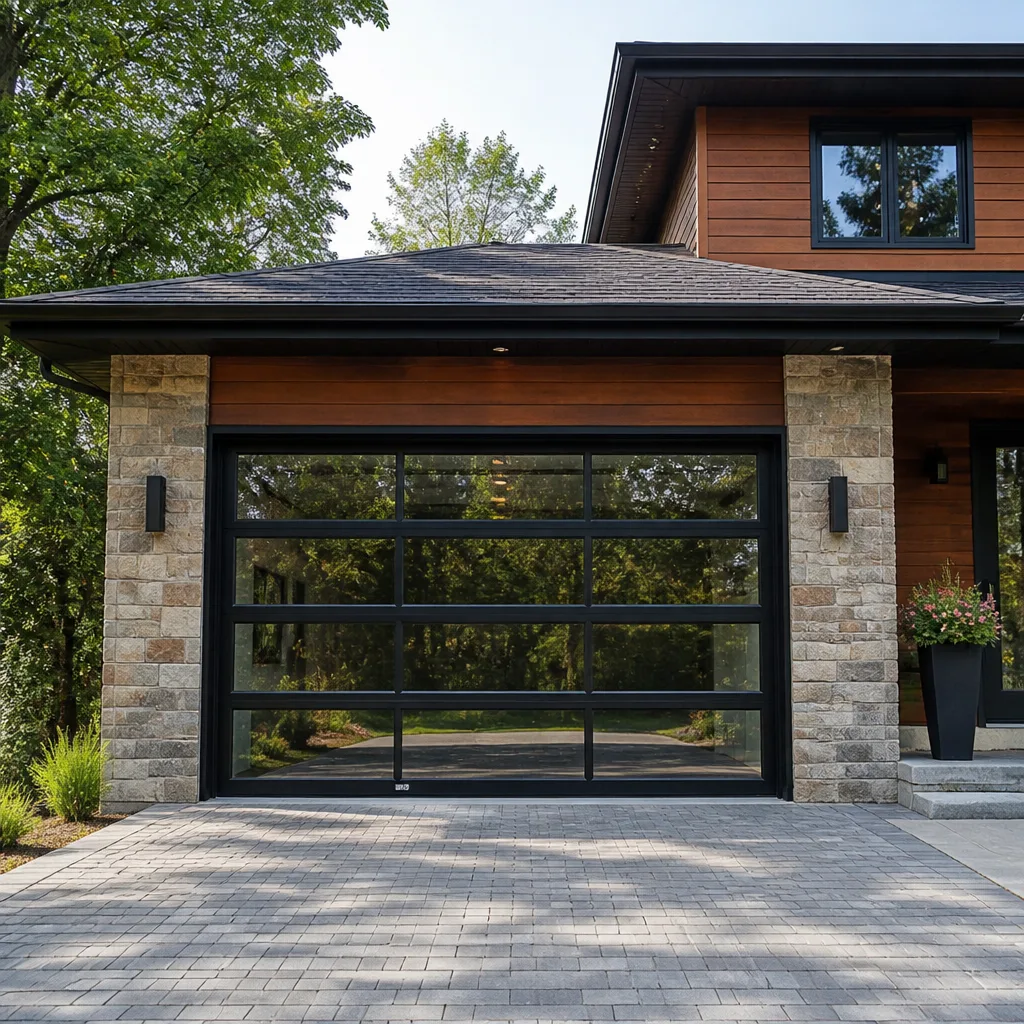 Full-view glass
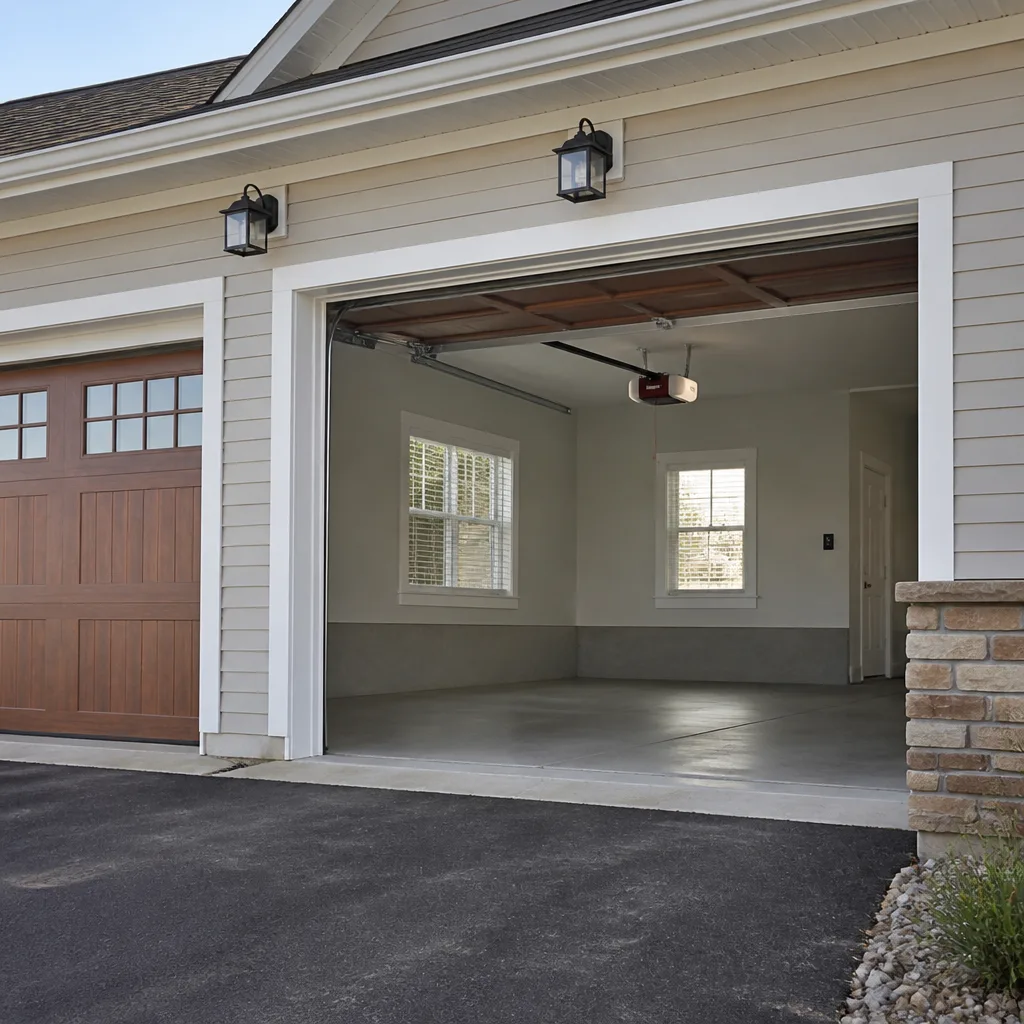 LiftMaster openers
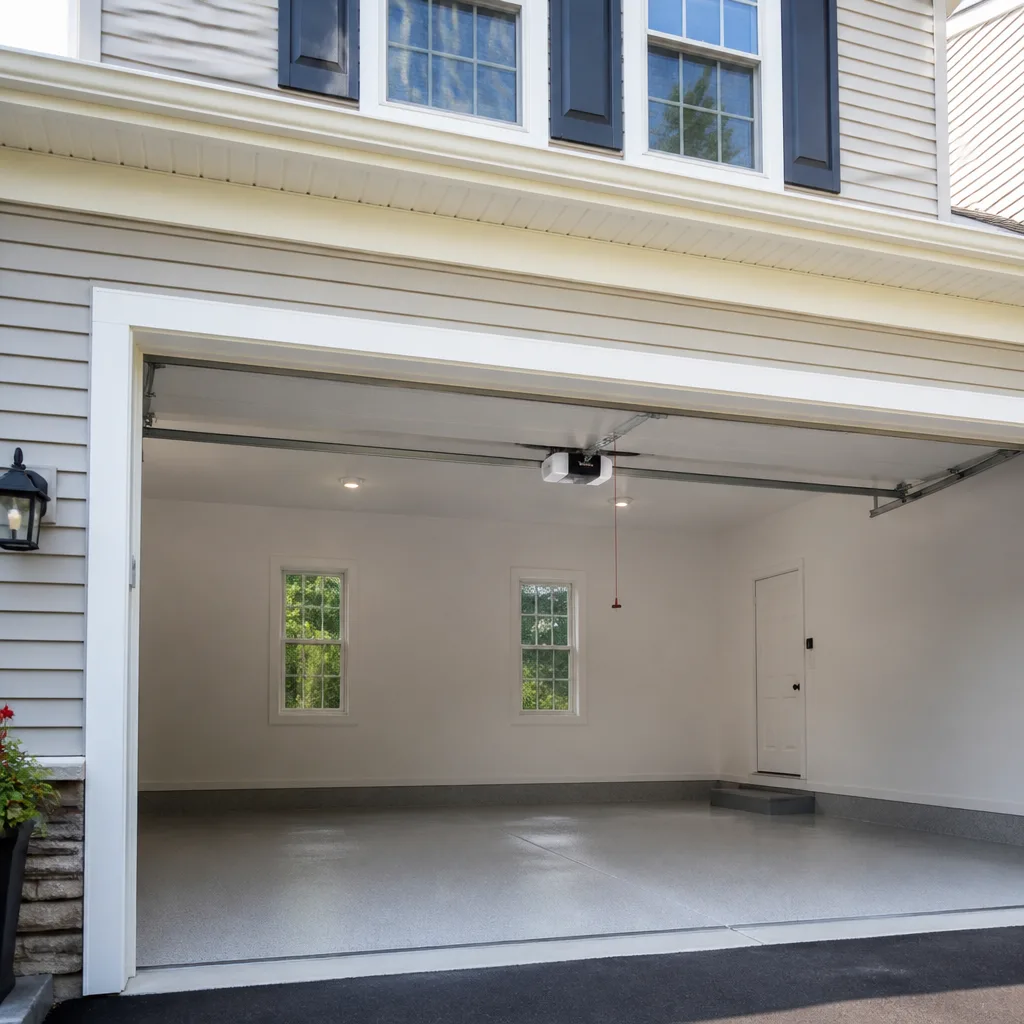 Chamberlain openers
Full 25-point door and opener safety check with every visit - springs, cables, rollers, tracks, and your LiftMaster or Chamberlain opener included
You get a price before we start. It does not change when the pro arrives.
Get your free estimateGarage Door Emergency Preparedness Guide for Everett Homes
Most garage door emergencies in Everett aren’t caused by the door breaking. They’re caused by a homeowner standing in a dark garage at 6am with no idea where the manual release cord is. The windstorm knocks out power, the door won’t lift, the car is trapped inside, and a problem that should take thirty seconds to solve turns into a twelve-hour wait. The three scenarios that come up again and again here are a power outage during a storm, a door stuck down with a car trapped inside, and a spring snapping at the worst possible moment – departure time. Each one has a short, specific response sequence. This guide walks you through all three, plus the pre-storm check and the parts information that actually speeds up a repair.
Styles & brands we work with
- Raised-panel steel
- Carriage house
- Modern flush
- Full-view glass
- LiftMaster openers
- Chamberlain openers
Quick Answer
In Everett, garage door emergencies almost always come down to one of three failures: power loss, a trapped vehicle, or a broken spring. The response for each is different. Power loss means using the manual release cord and lifting the door by hand. A trapped vehicle means freeing the door safely without forcing anything. A broken spring means securing the door in place and not operating it until a technician arrives. Knowing which failure you’re facing – and having the opener model and door measurements ready before you call – is what turns a multi-hour problem into a fast fix.
We answer 24/7. Fast dispatch from 7am to 7pm, Sunday through Friday, closed Saturday. Estimates are free, and the price is quoted and agreed before any work starts.
Table of Contents
- The Three Emergencies That Actually Happen in Everett
- Finding and Using Your Manual Release Cord by Brand
- How to Secure a Door With a Broken Spring
- The Two-Minute Pre-Storm Check
- When Is an Impact-Damaged Door Safe to Operate?
- What to Have Ready Before You Call
- What Happens When You Call
- Same-Day Repair and What It Covers
- Common Mistakes to Avoid
- When to Call a Professional
- Frequently Asked Questions
- The Bottom Line
The Three Emergencies That Actually Happen in Everett
In our experience working Everett neighborhoods from Silver Lake to Riverside to the older homes near the waterfront, the emergencies cluster into three predictable scenarios. Knowing which one you’re in tells you exactly what to do next.
Scenario 1: Power Outage During a Storm
Everett gets its share of windstorms, and when the grid goes down, most garage doors stop working immediately. An opener without power is just a heavy panel sitting on its tracks. The fix is the manual release, which disconnects the trolley from the opener so the door can be lifted by hand. The catch: the release cord is often hidden behind stored boxes, tangled in cobwebs, or red but faded to orange. If you don’t know where it is before the storm, you’ll be searching in the dark with a flashlight phone.
Scenario 2: Door Stuck Down With a Car Trapped Inside
A door that closes and won’t reopen – whether from a dead opener, a bound track, or a snapped cable – traps whatever’s in the garage. This is the emergency people call about most frantically. The important thing is not to force the door. Forcing a stuck door by hand can bend panels, snap an already-compromised cable, or drop the door on someone underneath. The manual release plus a careful hand lift works in most cases. When it doesn’t, that’s when you stop and call.
Scenario 3: Spring Failure at Departure Time
Springs don’t break on a schedule. They break when the door is used most, which is usually the morning commute. A snapped torsion spring makes a loud crack and the door won’t lift or, worse, slams down. This is the one scenario you don’t handle yourself. Spring replacement is the most dangerous repair in the garage door trade, which is exactly why garage door spring repair is a core service here rather than an afterthought. The door stays closed, the car stays put, and a technician handles it.
Finding and Using Your Manual Release Cord by Brand
The manual release – sometimes called the emergency release – is a cord or handle hanging from the opener trolley. Pulling it disconnects the door from the opener so you can lift it by hand. Every opener has one. The confusion comes from the fact that they look different across brands, and in the dark those small differences matter.
What It Looks Like by Brand
- LiftMaster and Chamberlain: These two sister brands use a similar design – a red or orange T-handle hanging on a cord, usually attached to the trolley near the opener rail. On models with a smart opener like MyQ, the handle is often shorter and sits closer to the motor housing. Look for the red plastic first.
- Genie: Genie openers, including the Aladdin Connect smart line, typically use a red or orange handle as well, but the cord is often longer and can tangle around the rail if the door has been cycled many times. Check for a coil of cord wrapped around the J-arm before you pull.
- Craftsman: Older Craftsman openers often have a shorter cord, and on some models it’s a small metal or plastic lever rather than a hanging handle. If you don’t see a cord, look for the release lever directly at the trolley.
- Clopay doors: Clopay makes doors, not openers, but their doors ship with many different opener systems. The door doesn’t change the release, the opener does – so identify the opener, then follow that brand’s release location.
How to Use It Safely
- Make sure no one is standing under or near the door. The door will be heavier than it looks when you lift it without the opener’s assistance.
- Pull straight down on the release handle. You should feel it pop free and the trolley should slide separately from the door.
- Lift the door by hand and hold it at the fully open position. If the door won’t stay up on its own, the springs are weak or broken – do not let go and do not stand underneath.
- If you need to close the door manually, lower it slowly and let it settle. Re-engaging the opener later means pulling the release again while the door is in the open position, then cycling the opener once.
If a door won’t lift by hand after the release is pulled, something mechanical has failed. Stop and call. If the issue turns out to be the opener itself rather than the springs, garage door opener repair covers the motor, the logic board, the safety sensors, and the release mechanism. We work on LiftMaster, Chamberlain, Genie, Clopay, Amarr, Wayne Dalton, Craftsman, and Raynor equipment, so we arrive already familiar with the exact hardware on your door.
How to Secure a Door With a Broken Spring
When a spring breaks, the door loses the counterbalance that makes it feel light. What’s left is a hundred-plus pounds of door held up only by the opener or by whatever’s left of the springs – and that’s a hazard. The goal is to get the door into a stable, safe position and keep it there until a technician arrives.
If the Door Is Closed
Leave it closed. Don’t try to open it. Disconnect the opener if it’s trying to lift a door it can’t move, because a motor straining against a dead door can strip gears or burn out the opener too. Unplug the opener or turn off the breaker feeding it. If you need to get a car out, the safest way is often to wait for the technician rather than force the door.
If the Door Is Open
This is the riskier position. An open door with a broken spring is only staying up because of friction, a bent track, or the opener holding tension. Never walk or park underneath it. If the door must be lowered:
- Have one person stand clear of the door’s path and one person operate.
- Lower the door slowly and evenly by hand. Do not let it drop – a door with a broken spring can slam hard enough to break panels or the frame.
- Once the door is fully down, lock it. Many garage doors have a manual slide lock or a lock bar on the inside track. If yours doesn’t, a pair of locking pliers clamped on the track below a roller can hold the door down temporarily.
- Keep the door locked and unplug the opener until a technician arrives.
Never try to remove, loosen, or adjust a torsion spring or the cables attached to it. A torsion spring stores enormous energy even after it looks broken, and a sudden release can cause serious injury. This is trained-professional work only. That’s true whether your door is a newer Clopay or a decades-old panel, and it’s why we keep spring work as a dedicated service rather than folding it into general repair.
The Two-Minute Pre-Storm Check
Everett’s windstorm season is predictable enough that a two-minute check before the first big blow can save you a night of improvising. The check takes a functioning door through its failure modes before wind and debris make them matter.
- Find the manual release. Open the garage, find the release cord or handle, and make sure you can reach it without moving anything. If it’s blocked by storage, clear the path now.
- Test the release. With the door closed, pull the release. Lift the door by hand a foot and let it back down. If it lifts easily and stays put, the springs are healthy. Re-engage the release.
- Check the safety sensors. The two small eyes at the bottom of the tracks should have steady lights. If one is blinking, the alignment is off and the door won’t close reliably – a problem when wind starts pushing debris around.
- Listen to the door. A door that creaks, groans, or squeals is telling you something’s loose or dry. A few drops of lubricant on the hinges, rollers, and spring coils before a storm goes a long way.
- Tug the door by hand. With the door half open, give it a gentle pull. It should feel balanced – not heavy at the bottom, not springy at the top. If it’s heavy, a spring is on its way out.
- Clear the tracks. Leaves, twigs, and anything else that blows into the tracks can jam the door. Sweep them out before the storm, not during.
- Know your opener model. Take a photo of the model sticker on the opener now, while it’s easy to read. That photo becomes the single most useful thing you can give a technician on a repair call.
For a broader look at keeping a door healthy year-round, our garage door repair page walks through the repairs that come up most often across Everett homes.
When Is an Impact-Damaged Door Safe to Operate?
A door that took a hit – from a car, a fallen branch, or wind-blown debris – can look fine and still be unsafe to operate. The question isn’t whether the door still moves. It’s whether the panels, tracks, and cables can handle the load without failing.
Signs the Door Is Not Safe to Operate
- Bent or kinked tracks. A track that’s been knocked out of alignment can bind the rollers and drop the door mid-cycle.
- Dented or creased panels. A crease in a panel weakens the whole door’s structure. The door can still open and close, but it’s holding less weight than designed.
- Frayed or kinked cables. Cables carry the door’s load on both sides. A damaged cable can snap without warning.
- A door that runs unevenly. If one side lags or the door shudders, the frame or the tracks are compromised.
What to Do Until a Technician Arrives
If any of the above is present, stop using the door. Lock it manually and leave the opener disconnected. Get a vehicle out if absolutely necessary by using the manual release and lifting by hand with a second person watching, but keep anyone from standing under the door. Then call for a diagnosis. Impact damage is one of the cases where a quick inspection beats a guess, because the door may need a panel replacement on a Clopay or Amarr door, a track realignment, or both.
For a door that’s compromised and can’t wait for a regular appointment, this is what emergency garage door service exists for. We treat it as a named service, not a reluctant exception, so the call goes to a process built for it.
What to Have Ready Before You Call
The single biggest factor in how fast a repair happens is whether the technician arrives with the right parts. That depends on the information you give on the phone. Here’s what to gather before you dial. A phone in one hand and a flashlight in the other is a bad combination.
- Opener brand and model. LiftMaster, Chamberlain, Genie, Craftsman, and the rest – each has different parts. The model number on the sticker speeds up diagnosis considerably. A photo helps.
- Door measurements. The width and height of the door, and the number of panels. Standard single-car doors and double-car doors need different springs and different hardware.
- Type of door. Sectional, roll-up, one-piece tilt, or carriage-style. Each has its own considerations.
- Spring type and count. Torsion springs sit on a bar above the door. Extension springs run along the sides of the tracks. Note which you have and how many. A pair is usually replaced together, so knowing whether you have one or two matters.
- Failure description. What exactly happened? A bang, a grinding noise, a door that went up halfway and stopped, a car that hit a panel. Be specific about what you saw and heard, not just “it’s broken.”
- Access details. Whether the garage is accessible, whether a car is blocking the door, whether there’s a gate code or a tight driveway. All of it affects the visit.
- Your contact info and address. Sounds obvious. It’s the first thing people forget when they’re standing in a dark garage.
Having these ready is the difference between a technician who arrives with the right spring and the right opener part, and one who has to make a second trip. If you’re not sure how to find your opener model, take a photo of the whole unit and we’ll identify it. If the door issue is more general, Everett Garage Door Repair Pros covers the full range of services.
What Happens When You Call
A call to an emergency repair line should feel like a clear handoff, not a maze. Here’s what the process looks like so you know what to expect.
The phone is answered, and you describe the failure. We ask the questions from the list above to narrow down what’s likely wrong. If the failure is urgent and within dispatch hours, we schedule a visit. We answer 24/7. A call outside dispatch hours is booked into the next opening, Sunday through Friday, 7am to 7pm. If it’s a night call and you just need advice to stabilize the door until the next opening, we can tell you what to do – and what not to do – in the meantime.
When the technician arrives, the door gets a full diagnosis, not just a look at the obvious problem. Springs, cables, tracks, rollers, and the opener all get checked because an emergency often has a secondary cause. You get a written estimate before any work starts, and the price is quoted and agreed before the technician picks up a tool. No surprises at the end. That’s the part people worry about most after a breakdown, and it’s the part we take most seriously.
If you’re calling about a door that needs replacement rather than repair, the timing changes. Installation and replacement are measured, ordered, and scheduled, so we don’t promise same-day on those. Instead, we schedule a free measure and give you a written price.
Same-Day Repair and What It Covers
Not every garage door problem is an emergency, and not every emergency is the same. Same-day repair covers the failures that leave a door unusable or unsafe, where a technician can realistically diagnose and fix the issue the same day. That includes:
- Broken springs. The most common urgent repair. A snapped spring means the door won’t lift or lifts dangerously. We carry the most common spring sizes and can replace a broken spring or a matched pair the same day in many cases.
- Snapped or off-track cables. A cable failure often leaves the door stuck or unbalanced. It’s repaired on-site.
- Off-track or jammed doors. A door that’s jumped its tracks needs realignment, and sometimes new rollers or hinge parts.
- Opener failures. Dead motors, blown logic boards, burned-out gears, and remote problems get diagnosed and repaired. When the repair isn’t practical, we quote a replacement.
- Impact damage. A bent track or a creased panel on a Clopay or Amarr door can often be repaired with matching parts, though some panel replacements need a day or two to order.
Same-day service is a real option for most of these, not a marketing claim. The thing that makes it possible is knowing the brand and the model in advance. If we know it’s a LiftMaster with a particular spring size, we can show up with what’s needed. If it’s an unfamiliar opener, we lose time on diagnosis. That’s why we’re certified to work on eight major brands – and why the information you give on the phone matters so much. For a broader look at the installation side, our main page on garage door repair links out to it. Our technicians have up to 9 years of experience working on all of it.
Common Mistakes to Avoid
- Trying to force a stuck door. A stuck door that’s forced will bend panels, snap a cable, or fall on someone. If the manual release doesn’t free it and it won’t lift by hand, stop and call.
- Pulling a manual release while the door is under tension. If the door is open and the springs are damaged, pulling the release can let the door drop. Make sure the door is fully closed and no one is underneath before you pull.
- Standing under a door with a broken spring. An open door on a broken spring is held up by nothing more than friction and luck. Never walk or park under it.
- Replacing only one spring when a pair is broken. Springs wear at the same rate. If one breaks, the other is usually close behind. Replacing one is a false economy that leaves you back in the same emergency. A pair costs roughly twice what a single spring does.
- Ignoring a door that’s suddenly heavy or noisy. A door that feels heavy or screeches is telling you a spring or roller is failing. Waiting until it fails completely turns a scheduled repair into an emergency call.
- Calling without the opener model or door measurements. Most delays come from missing information. Knowing the model and size is the difference between a same-day fix and a second trip.
- Disengaging the opener and leaving the door semi-open. If a door has been manually released, it must be re-engaged properly or locked down. A door left floating between positions can drift down unexpectedly.
When to Call a Professional
Some garage door problems are safe to diagnose yourself. Broken springs, snapped cables, off-track doors, electrical opener failures, and anything involving a door that fell or took impact damage are professional work. Springs and cables are under high tension and can cause serious injury even to experienced hands. Electrical panel and opener wiring carries a shock risk. If you’re unsure whether a door is safe to operate, assume it isn’t and call.
If a door won’t lift after the manual release, if a spring has snapped, if a cable is hanging loose, or if a vehicle is trapped and the release doesn’t help, that’s a call. Everett Garage Door Repair Pros offers free estimates in Everett – call (866) 593-5155. We answer 24/7. Fast dispatch from 7am to 7pm, Sunday through Friday, closed Saturday. The price is quoted and agreed before any work starts.
Frequently Asked Questions
It hangs from the trolley near the opener rail, and on most LiftMaster, Chamberlain, Genie, and Craftsman openers it’s a red or orange T-handle. Keep a small flashlight in the car or on a hook near the garage entry, and clear any storage that blocks the path to the door ahead of time. If you can locate it by touch before the storm, you won’t be searching during one.
In many cases, yes. Broken springs are the most common urgent repair, and we carry the most common sizes so a same-day fix is realistic. The catch is knowing the spring type and count in advance, so have those ready when you call. Call (866) 593-5155 – estimates are free and the price is set before the work starts.
No. The written estimate is the price, and it’s quoted and agreed before any work starts. If the diagnosis reveals something else that needs fixing, we tell you and give you a separate price before we touch it. You never get an invoice bigger than the quote you agreed to. Call (866) 593-5155 for an exact estimate.
No. Pricing is set per job by the written estimate, regardless of when the call comes in. What affects the price is the scope of the work – spring vs. spring pair, one panel vs. several, an opener repair vs. a replacement. Call (866) 593-5155 and we’ll give you a written price for the job.
Yes, if you pull the manual release first. That disconnects the door from the opener so it can be lifted by hand. If the door feels very heavy or won’t stay up on its own, the springs may be failing too – let it back down and call before anyone stands underneath it. Call (866) 593-5155 and we’ll help you figure out the next step.
Find the manual release, pull it, and lift the door by hand. If the door won’t lift or the release is jammed, stop and call. In Everett, windstorm outages are the most common reason a trapped car becomes an emergency. Call (866) 593-5155 – we answer 24/7 and dispatch from 7am to 7pm, Sunday through Friday.
The local professional we connect you with is licensed and insured as their state requires. We work on LiftMaster, Chamberlain, Genie, Clopay, Amarr, Wayne Dalton, Craftsman, and Raynor equipment, and our technicians have up to 9 years of experience. Call (866) 593-5155 for a free estimate.
The Bottom Line
Garage door emergencies in Everett follow three familiar scenarios: a power outage, a trapped car, and a broken spring. Each has a short response, and the time to learn those responses is before the wind blows. Find your manual release today, know your opener brand and model, and run the two-minute pre-storm check. Those three habits turn a twelve-hour problem into a thirty-second fix. When a repair is beyond a safe DIY, springs, cables, off-track doors, and opener failures are professional work. Everett Garage Door Repair Pros connects you with a local pro who knows your brand, quotes a written price before work starts, and gets the door working again.
Call (866) 593-5155 for a free estimate. We answer 24/7. Fast dispatch from 7am to 7pm, Sunday through Friday, closed Saturday.
Written by the team at Everett Garage Door Repair Pros.
See the difference
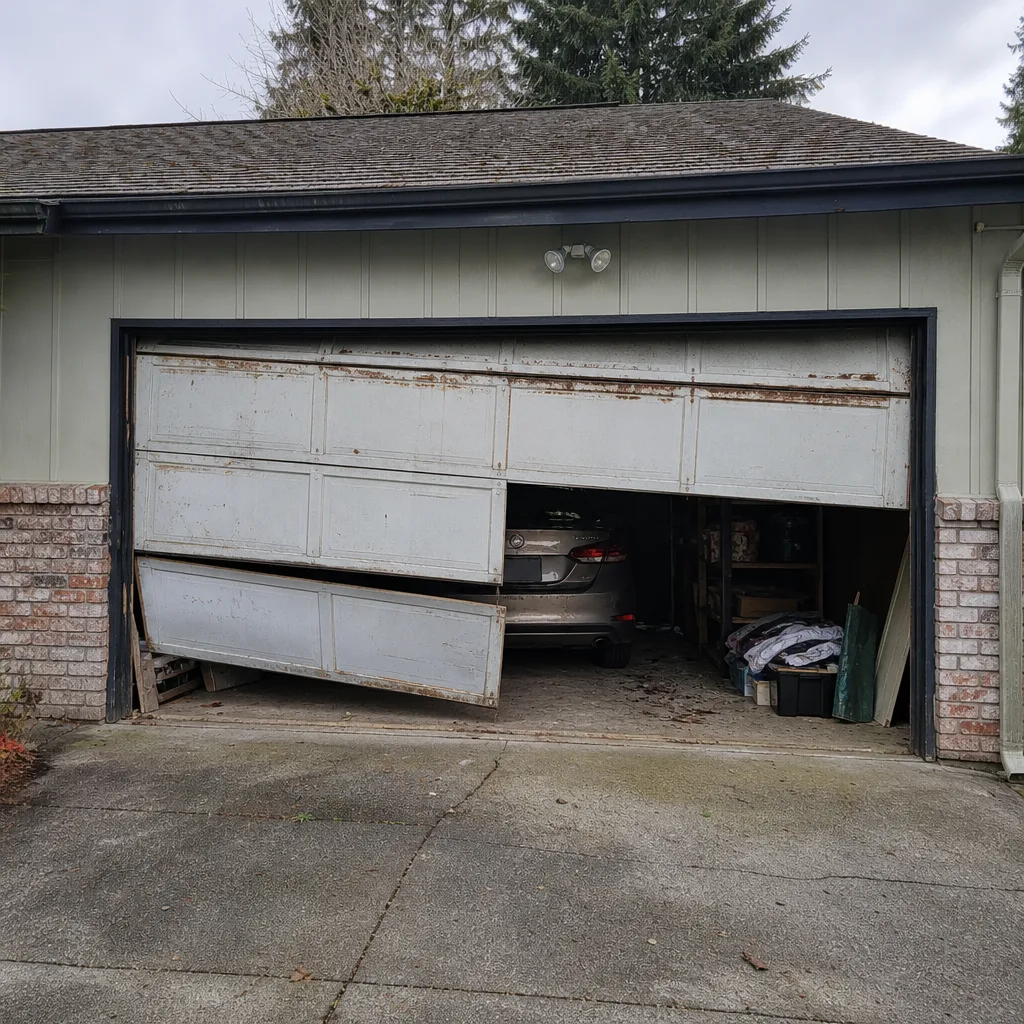 Before
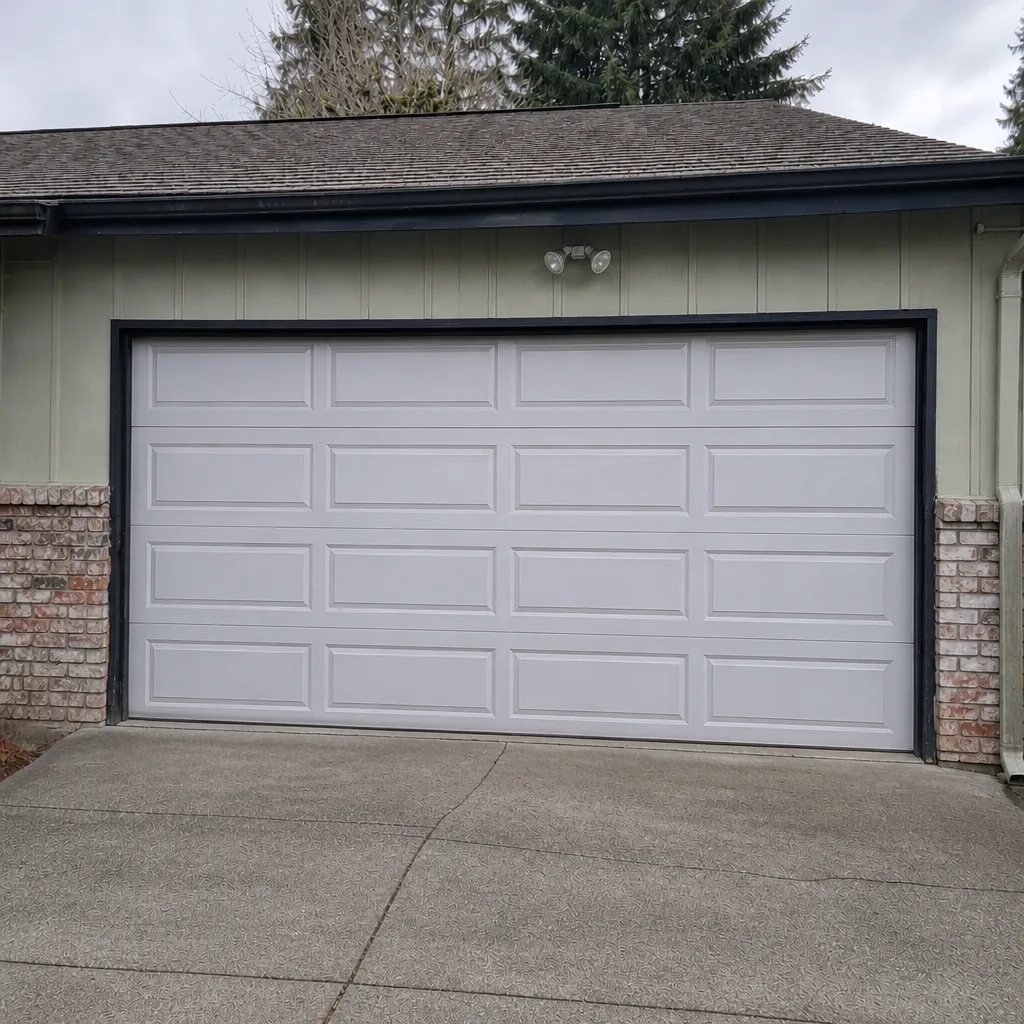 After
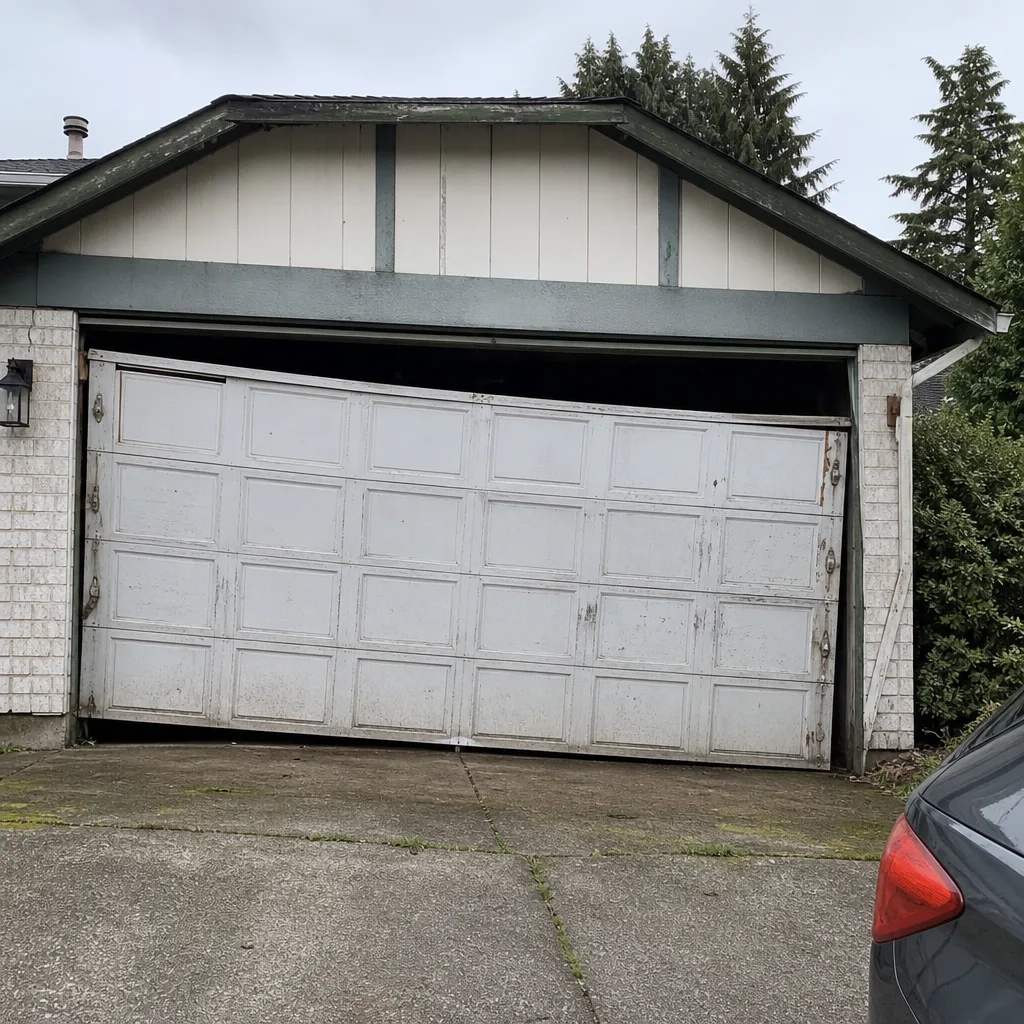 Before
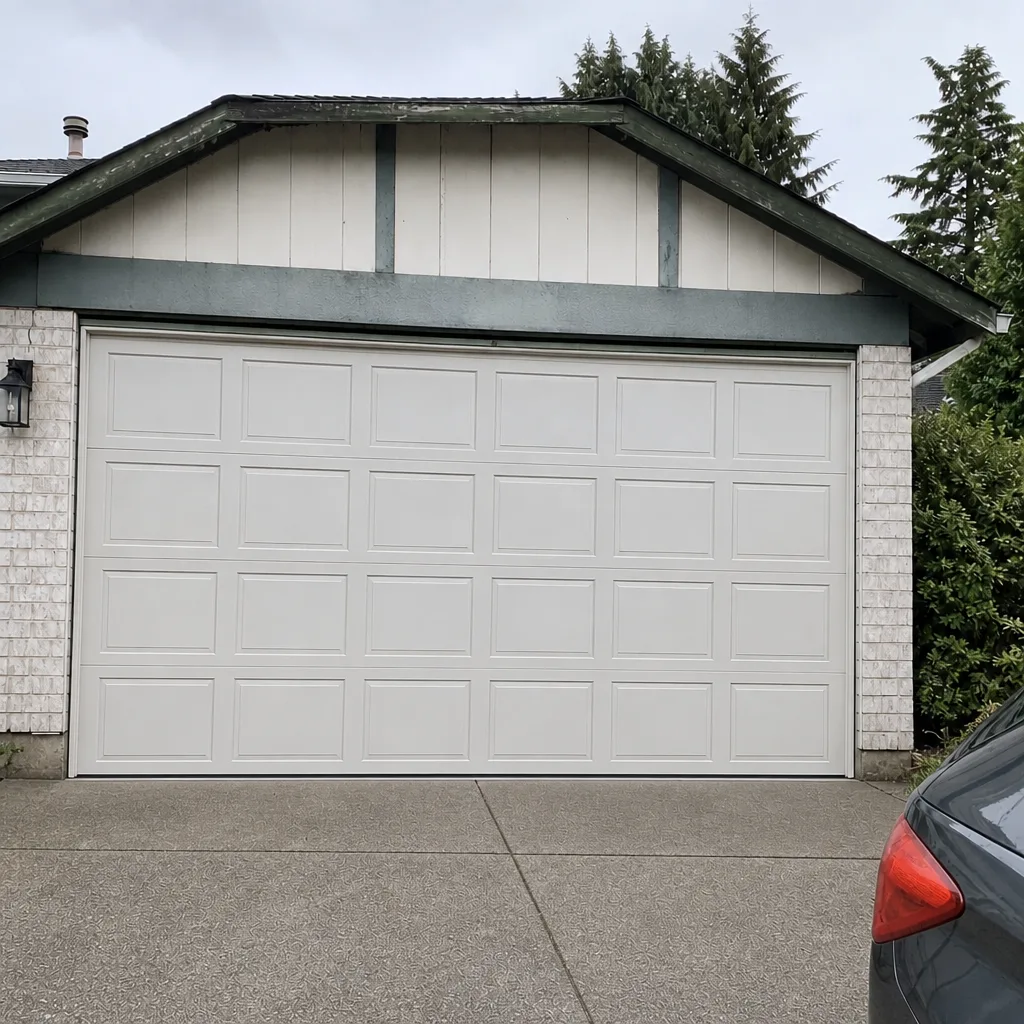 After
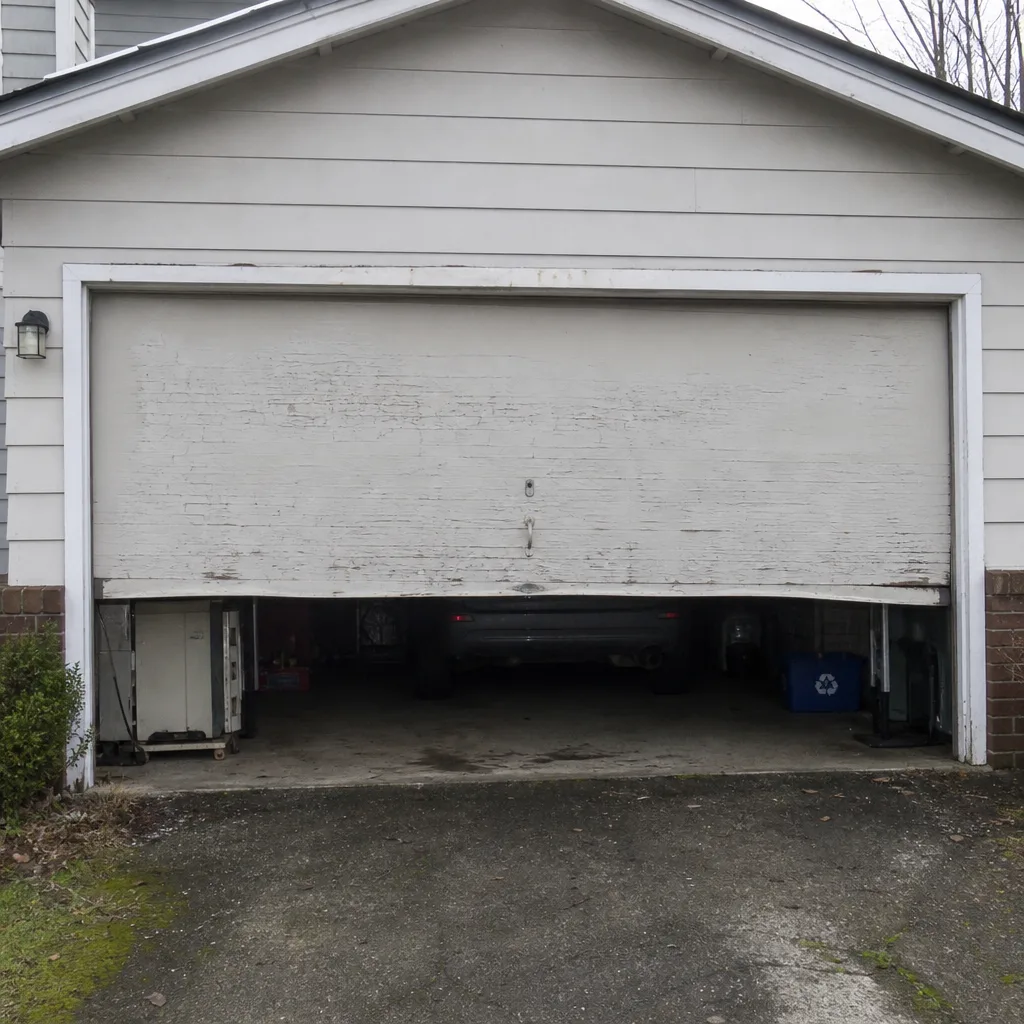 Before
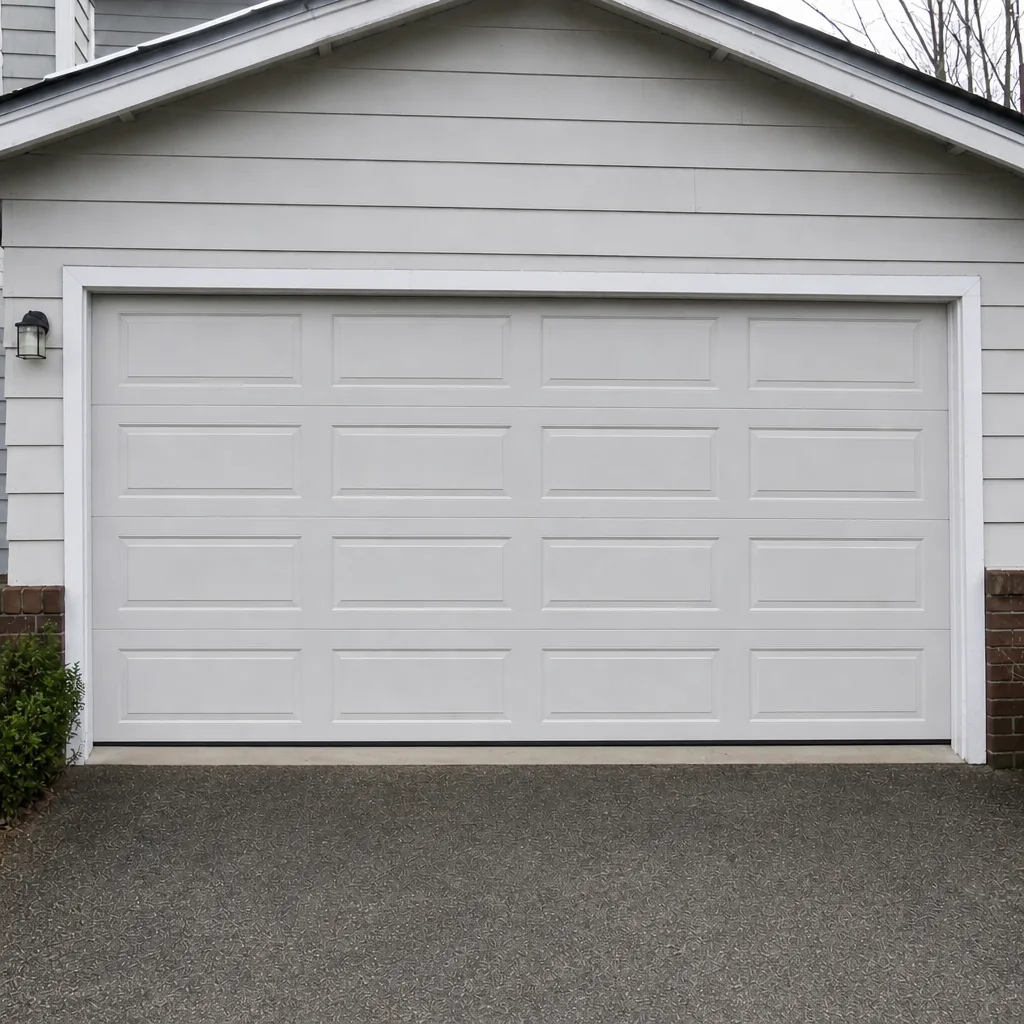 After